High-Performance Aluminium-Clad Wood Window Series
Precision-engineered structural timber and extruded alloy window solutions designed for luxury residential villas, passive house designs, and commercial developments.
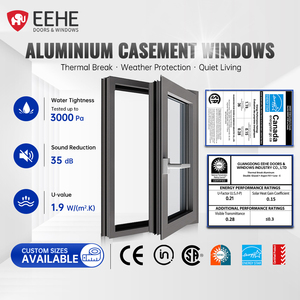
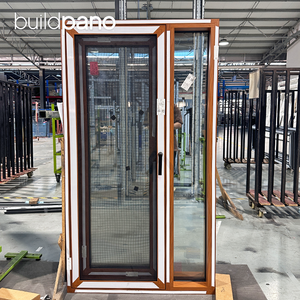
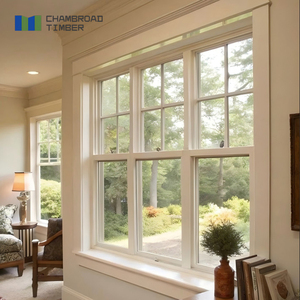
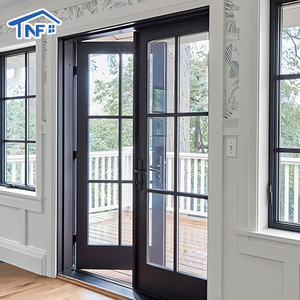
1. Architectural Evolution: Why Sourcing from China's Top Aluminium Wood Windows Manufacturers Delivers Unmatched Competitive Advantage
The contemporary global Fenestration landscape is undergoing a monumental paradigm shift. Driven by net-zero building regulations, stringent energy efficiency mandates (such as the EU Energy Performance of Buildings Directive and North American IECC codes), and a growing consumer preference for bio-centric luxury interiors, architects and developers are increasingly abandoning traditional single-material window systems. In their place, Aluminium-Clad Wood Windows (Aluminium-Wood Composite Systems) have emerged as the absolute gold standard for high-end residential villas, premium commercial complexes, and passive houses.
When evaluating global supply chains, China—specifically the advanced industrial cluster centered in Foshan, Guangdong—has transformed into the epicentre of precision window manufacturing. Navigating the market to identify a premier China top aluminium wood windows manufacturer is no longer merely a cost-saving strategy; it is a strategic maneuver to access state-of-the-art European CNC machinery, highly engineered thermal profile designs, premium timber processing techniques, and unprecedented customization capabilities at scale.
Leading Chinese manufacturers like Vexis Windows & Doors Co., Ltd. bridge the gap between heavy industrial capacity and bespoke architectural craftsmanship. Operating out of a 30,000 m² automated production facility equipped with 1,500 m² of immersive technical exhibition halls, top manufacturers leverage integrated R&D, structural engineering, and direct overseas export infrastructure to serve clients across 154+ countries and regions.
2. Structural Anatomy & Material Engineering of High-Performance Aluminium Wood Systems
To understand why leading international architectural firms specify Chinese aluminum-wood systems, one must examine the precise material science and mechanical engineering underlying these hybrid envelopes. A top-tier window system is not simply a piece of timber glued to a piece of metal; it is a sophisticated, pressure-equalized multi-chamber system designed to withstand extreme thermal fluctuations, hurricane-force wind loads, and torrential water pressure.
A. Exterior Aluminum Alloy Extrusion (6063-T5 / T6 Grade)
The exterior aluminum cladding functions as the primary protective shield against atmospheric degradation, solar UV radiation, acid rain, and mechanical wear. Top manufacturers utilize high-precision 6063-T5 or 6063-T6 architectural grade aluminum extrusions with wall thicknesses strictly adhering to 1.4mm – 2.0mm minimum standards (exceeding international structural thresholds). Surface finishes are available in AkzoNobel powder coating, Fluorocarbon (PVDF) spraying for extreme coastal salt-spray resistance, and advanced anodized finishes with lifetime durability ratings.
B. Interior Structural Timber & Sustainable Wood Species Processing
The interior timber frame is responsible for structural rigidity, warm visual appeal, and natural acoustic damping. Premium manufacturers implement a rigorous timber preparation process:
- Kiln Drying & Moisture Control: Raw timber undergoes automated computer-controlled kiln drying to maintain a precise moisture content between 8% and 12%. This exact moisture equilibrium prevents post-installation warping, shrinking, or splitting across diverse climatic zones.
- Laminated Finger-Jointed Beams: Timber is processed into 3-ply or 4-ply laminated engineered timber beams. By alternating the wood grain orientation of each layer, internal tension forces cancel each other out, increasing structural load capacity by up to 300% compared to solid single-piece timber.
- Eco-Friendly Water-Based Coatings: Timber interiors are treated with 4-stage eco-friendly water-based lacquers (utilizing leading brands like German Sikkens or Remmers). These non-toxic coatings allow the wood to breathe, preserve natural grain depth, and provide mildew, rot, and UV degradation resistance.
C. Thermal Break & Floating Mechanical Fastening Mechanics
Aluminum alloy expands and contracts at a rate approximately 2.5 times higher than natural timber under ambient temperature variations. Direct rigid bonding between wood and aluminum inevitably leads to structural shear failure, frame distortion, or glass seal failure. Premier Chinese factories resolve this via Independent Floating Nylon Snap-Clips (PA66-GF25 Polyamide Clips). These composite connectors create a flexible structural bridge between the exterior metal shell and interior timber frame, allowing independent thermal movement while creating an insulating air buffer zone that dramatically elevates overall thermal resistance (lowering Uw values).
3. Technical Performance Benchmark Matrix: System Comparison
For B2B procurement managers, real estate developers, and structural engineers, selecting the correct fenestration system requires analyzing quantified empirical metrics. The table below illustrates the technical superiority of premium Aluminium-Clad Wood Windows compared to standard fenestration options:
| Performance Parameter | Aluminium-Clad Wood Windows | Standard Thermal Break Aluminium | Solid Timber Windows | UPVC / Vinyl Windows |
|---|---|---|---|---|
| Thermal Transmittance (Uw Value) | 0.75 – 1.1 W/(m²·K) (Ultra-Low) | 1.4 – 2.2 W/(m²·K) | 1.0 – 1.4 W/(m²·K) | 1.3 – 1.8 W/(m²·K) |
| Acoustic Insulation (STC Rating) | 38 – 48 dB (Superior Soundproof) | 30 – 38 dB | 34 – 40 dB | 28 – 35 dB |
| Exterior Maintenance Requirement | Zero Maintenance (PVDF/Powder) | Zero Maintenance | High (Repainting every 3-5 yrs) | Low (Prone to UV yellowing) |
| Design Life Expectancy | 50+ Years | 30 – 40 Years | 20 – 30 Years (Maintenance dependent) | 15 – 20 Years |
| Air Infiltration / Permeability | Class 4 (EN 12207) / A4 (AS2047) | Class 3 - 4 | Class 2 - 3 | Class 2 - 3 |
| Structural Wind Load Resistance | Up to 5000 Pa (Category 5 Typhoon) | 3500 – 4500 Pa | 2500 – 3500 Pa | 1800 – 2500 Pa |
Core Engineering Advantages of Top Chinese Manufacturers
Integrating end-to-end R&D, automated CNC manufacturing, and global compliance testing under one roof.
Bespoke Architectural Engineering
Full CAD/BIM shop drawing support, custom profiles, arch heads, specialized mullions, and tailored wood species matching exact project blueprints.
German Multi-Point Hardware
Equipped with authentic Siegenia, Roto Frank, or Hoppe hardware configurations, delivering anti-burglary protection (RC2/RC3) and effortless sash glide.
Global Standards & Certification
Extensive compliance testing including Australian AS2047, North American NFRC/CSA, European CE, and Passive House Institute (PHI) benchmarks.
Advanced Glazing Tech
Triple-pane tempered Low-E glass units, warm-edge TGI spacers, argon gas filling, laminated acoustic PVB interlayers, and vacuum insulated glass options.
Multi-Layer EPDM Sealing
Continuous automotive-grade EPDM rubber gaskets with vulcanized seamless corners ensure zero water leakage under extreme tropical storm pressures.
Full Export Logistics Control
Protective PE wrap, custom corner guards, wooden crate packing, container loading optimization, and seamless DDP/FOB ocean logistics management.
4. Future Sourcing Trends (2026–2030): What B2B Buyers Must Prepare For
As the international architectural sector pivots toward carbon neutrality and smart building automation, procurement managers must align with manufacturers who are actively developing next-generation window technologies. Key trends driving the industry include:
Trend 1: Passive House (PHI) Certification & Super-Insulated Glazing
Building energy standards worldwide are moving closer to net-zero energy building (NZEB) mandates. Windows are no longer evaluated purely as visual openings, but as critical thermal boundary components. Sourcing trends show explosive demand for Passive House Certified Aluminium-Wood Windows utilizing quad-pane glazing or Hybrid Vacuum Insulated Glass (VIG). These systems reduce overall building heating/cooling energy loads by up to 70%.
Trend 2: Ultra-Slim Sightlines with High Structural Load Capacity
Modern luxury architectural design demands maximized daylight transmission and uninterrupted panoramic visual field views. Future-proof manufacturers are engineering ultra-slim frame profiles with hidden sash frames, concealed hinges, and flush sills while retaining heavy-duty structural load-bearing capacity capable of holding glass sashes weighing over 400 kg.
Trend 3: Smart Electrochromic Glass & Integrated Motorized Shading
The integration of smart home automation into fenestration systems is accelerating. Next-generation aluminum-wood composite windows are increasingly specified with built-in electrochromic dynamic tinting glass (privacy tinting at the touch of a button) and concealed motorized chain actuators connected directly to smart building management systems (BMS).
Trend 4: Sustainable Supply Chains & Environmental Product Declarations (EPD)
Institutional developers and green building funds (LEED, BREEAM, WELL) strictly require transparent carbon footprint documentation. Top Chinese manufacturers are obtaining FSC (Forest Stewardship Council) certification for all timber inputs and publishing verified EPDs covering the complete cradle-to-gate lifecycle of aluminum extrusions and glass components.
5. Enterprise B2B Sourcing Protocol: How to Inspect & Audit Window Manufacturers in China
To ensure flawless project execution and prevent jobsite delays, overseas procurement managers should implement a structured factory evaluation checklist when negotiating with a China top aluminium wood windows manufacturer:
- Raw Timber Inspection: Request timber moisture content certificates (8%-12% MC) and verify 3-ply finger-jointing laminate quality to guarantee resistance against warping.
- Corner Joint Mechanics: Check if aluminum corners are assembled using heavy-duty cast aluminum corner keys with dual-component glue injection for structural air/water tightness.
- Glass Unit Integrity: Verify dual-seal insulated glass units (IGU) featuring primary butyl sealing and secondary structural silicone sealing with integrated molecular sieve desiccant.
- Hardware Operation & Cycle Test: Confirm hardware handles and multi-point locks undergo 25,000+ cycle opening tests without structural slack or mechanical friction.
- Factory Mock-up Water & Air Testing: Ensure the manufacturer can conduct on-site chamber testing simulating heavy wind and water pressure prior to bulk shipping.
6. Frequently Asked Questions (FAQ) for Global Project Buyers
Clear, authoritative answers to common technical and logistical questions asked by international developers, architectural specifiers, and window importers.
What makes Aluminium-Clad Wood Windows superior to thermal break aluminum windows?
Aluminium-clad wood windows combine the absolute best properties of both materials. Thermal break aluminum offers durability on the exterior, but natural solid timber on the interior provides superior acoustic dampening, a luxurious organic tactile finish, and significantly lower thermal conductivity. This hybrid structure achieves lower overall thermal transmittance (Uw values) than standard thermal break aluminum profiles while elevating interior real estate market value.
How do top Chinese factories prevent interior timber from rotting or swelling over time?
Leading manufacturers like Vexis Windows employ a strict 4-phase treatment process: 1) Computer-controlled kiln drying to reduce wood moisture content to 8%-12%; 2) 3-ply laminated finger-jointed beam construction to eliminate internal timber stress; 3) Deep vacuum impregnation with anti-fungal and anti-termite treatments; and 4) Application of multi-coat water-based eco paints (e.g., German Sikkens) that allow timber to breathe while repelling external moisture.
What wood species options are available for custom project orders?
Standard architectural timber offerings include Siberian Larch, North American Red Oak, European White Pine, Black Walnut, and Burmese Teak. Each wood species undergoes rigorous density selection and grain matching to complement the client’s architectural millwork and interior finish plans.
Can Chinese manufacturers meet local building standards like AS2047, NFRC, or CE?
Yes. Top-tier manufacturers design and test their window systems specifically for target international export markets. Systems are fully engineered and certified to meet Australian AS2047 / AS1288 standards, North American NFRC thermal and AAMA structural standards, as well as European CE compliance marks. Test reports and physical engineering documentation are available for project submissions.
How are large-scale custom window orders packaged to prevent sea-freight transit damage?
Export packaging protocols include full protective PE film wrapping around profiles, impact-resistant corner guards, fully enclosed fumigated plywood crates, and air-cushioned container strapping. Glass surfaces are cushioned with cork spacers to absorb vibrational shock during long-distance maritime shipping.
What information is needed to obtain a fast and accurate factory quotation?
To receive a comprehensive engineering proposal and quotation within 24 hours, buyers should provide: 1) Window schedules or CAD drawings with wall opening sizes; 2) Opening type preferences (casement, tilt & turn, sliding, bifold); 3) Preferred glass configuration (e.g., double/triple low-E tempered); 4) Selected wood species and exterior powder coat color; and 5) Project location or target destination port.
Partner with China's Premier Aluminium Wood Window Engineering Team
From initial CAD shop drawings and custom thermal calculations to automated CNC manufacturing and container shipping—Vexis Windows delivers uncompromised architectural excellence for your next development project.