High-Performance Architectural Swing Window Systems
Explore our top-tier aluminum swing window configurations engineered for extreme weather resistance, thermal efficiency, and sleek modern architecture.
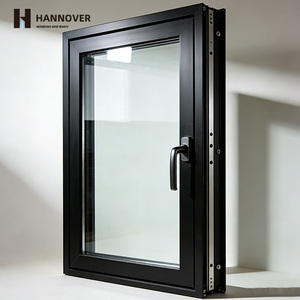
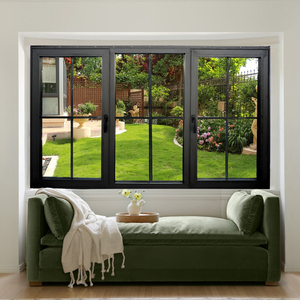
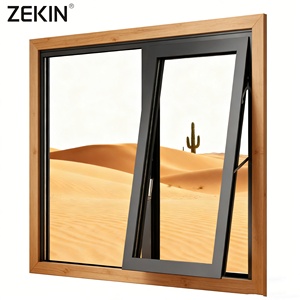

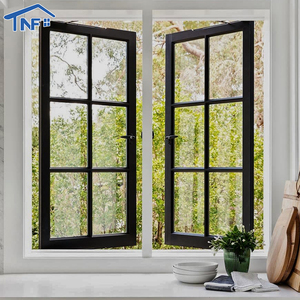
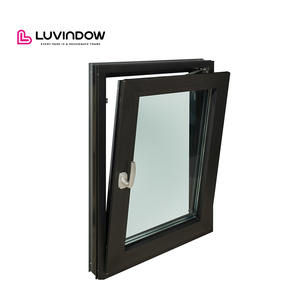
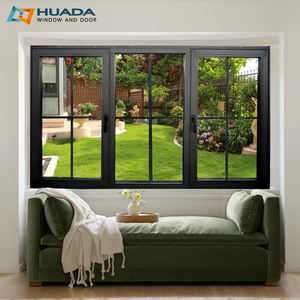
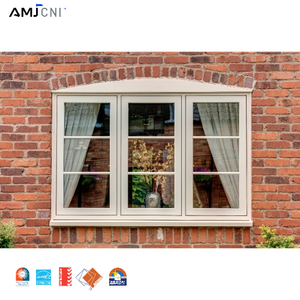
Navigating the Sourcing Landscape: China's Top Aluminum Swing Window Manufacturing Ecosystem
The global demand for high-performance architectural fenestration has elevated China—specifically the industrial manufacturing hub of Foshan, Guangdong—to the epicenter of modern window and door engineering. As architectural standards increasingly demand ultra-low U-values, hurricane impact resistance, and seamless indoor-outdoor integrations, foreign procurement directors, developers, and general contractors face complex choices when selecting factory-direct suppliers.
Aluminum swing windows (encompassing traditional side-hung casements, inward tilt-and-turn units, top-hung awning configurations, and dual-action architectural systems) represent a critical sector of this industry. Unlike standardized sliding units, swing windows rely heavily on strict structural tolerances, advanced polyamides thermal break isolation, multi-point compression locking hardware, and high-performance EPDM weather stripping to maintain airtightness and structural integrity under severe wind pressures.
This technical guide evaluates the engineering parameters, structural designs, energy certification standards (NFRC, AS2047, CSA), and procurement methodologies essential for sourcing top-tier aluminum swing windows directly from China’s leading manufacturing facilities.
1. Technical Blueprint: Deconstructing High-Performance Aluminum Swing Windows
To differentiate premium manufacturing from lower-tier commercial assembly, buyers must evaluate the anatomical components of an aluminum swing window system:
- Aluminum Alloy & Profile Wall Thickness: Leading Chinese manufacturers utilize 6063-T5 or T6 primary billet aluminum rather than scrap-recycled alloy. Structural wall thickness for high-end exterior casements strictly adheres to 1.4mm to 2.0mm standards (exceeding international residential baselines) to ensure structural resilience against extreme wind pressures.
- Thermal Barrier Integration: Non-thermal break profiles allow direct energy conduction, leading to interior condensation and energy loss. Top manufacturers incorporate multi-cavity polyamide strips (PA66GF25), creating a complete thermal break that reduces overall window U-values to as low as 0.8 - 1.4 W/m²K depending on glass specification.
- Sealing Architecture & EPDM Gaskets: Superior weatherability requires triple-sealed perimeter systems utilizing continuous EPDM (Ethylene Propylene Diene Monomer) rubber gaskets or vulcanized corner joints. This prevents water penetration even during tropical storm conditions.
- Architectural Coatings & Finishes: Advanced surface treatments include AkzoNobel powder coating, fluorocarbon (PVDF) painting for high-salinity coastal environments, anodizing, and wood-grain thermal transfer prints that resist UV fading and chalking over 20+ year lifespans.
Comparative Technical Matrix: Swing Window Systems vs. Standard Window Configurations
| Performance Indicator | Thermal Break Casement Swing | Tilt-and-Turn Dual Action | Standard Horizontal Slider |
|---|---|---|---|
| Airtightness (ASTM E283 / AS4420) | Level 8 (Highest Compression Seal) | Level 8 (Multi-Point Gasket Lock) | Level 4-5 (Friction Brush Seals) |
| Water Penetration Resistance | 700 - 900 Pa (Severe Storm Proof) | 600 - 800 Pa | 250 - 450 Pa |
| Acoustic Isolation (STC Rating) | 38 - 45 dB (Double Low-E Glazing) | 40 - 48 dB (Triple IGU) | 28 - 34 dB |
| Thermal Transmittance (U-Value) | 1.0 - 1.6 W/m²K | 0.8 - 1.4 W/m²K | 2.2 - 3.0 W/m²K |
| Hurricane Impact Compliance | Fully Capable (PVB Laminated) | Fully Capable | Limited (Sash Dislodgement Risk) |
2. International Compliance & Certification Standards (NFRC, AS2047, CSA, CE)
A primary bottleneck for global buyers sourcing building materials from Asia is navigating localized regulatory compliance. Top-tier Chinese swing window manufacturers maintain active certifications to facilitate direct project approvals and customs clearance:
- North American Market (USA & Canada): Compliance with NFRC (National Fenestration Rating Council) guarantees verified U-Factor, Solar Heat Gain Coefficient (SHGC), and Visible Transmittance (VT) testing. Additional CSA (Canadian Standards Association) approval verifies thermal performance under harsh northern sub-zero climates.
- Australian Market: AS2047 & AS1288 standards mandate rigorous structural deflection, air infiltration, water resistance, and glass safety compliance verified by NATA-accredited testing laboratories.
- European Union: CE Marking under EN 14351-1 ensures compliance with hazardous material safety, mechanical strength, and mandatory energy rating thresholds.
3. Sourcing Trends Shaping the Future of Swing Window Manufacturing (2025-2030)
Driven by green building certifications (LEED, BREEAM, Passive House) and minimalist architectural aesthetics, several key engineering trends are defining the future of aluminum swing window procurement:
A. Ultra-Slim Sightline Minimalist Frameworks: Architectural trends heavily favor maximized glass surface areas. Modern swing window designs utilize concealed hinges, narrow profile face-widths (down to 35mm-45mm), and structural silicone glazing to deliver uninterrupted panoramic views without compromising wind-load performance.
B. Intelligent Actuation & Smart Home Integration: Motorized swing window systems featuring hidden electric chain actuators, rain/wind sensor automation, and central BMS (Building Management System) connectivity are increasingly specified for commercial facades, high-reach clerestory windows, and modern luxury residences.
C. Low-Carbon Aluminum & Decarbonized Production: Eco-conscious real estate developers now require Environmental Product Declarations (EPDs). Leading factories in China are transitioning toward hydro-powered aluminum smelting and recycled alloy billets, substantially lowering embodied carbon footprints.
D. Hurricane-Resistant Impact Laminated Glazing: With coastal storm intensity increasing globally, demand for impact-rated swing windows utilizing SentryGlas® (SGP) or heavy-duty PVB interlayer glass laminates has grown exponentially across tropical and hurricane-prone regions (e.g., Florida, Caribbean, Southeast Asia).
Direct Manufacturer Value Proposition
Integrating R&D, custom CAD design, automated extrusion processing, and direct global export logistics under one roof.
Frequently Asked Questions for Project Buyers & Importers
Get authoritative answers on ordering procedures, international standards compliance, packaging protection, and technical parameters.