Featured Architectural Window & Door Systems
Engineered to pass rigorous NFRC, CE, and AS2047 international standards for commercial and residential developments.
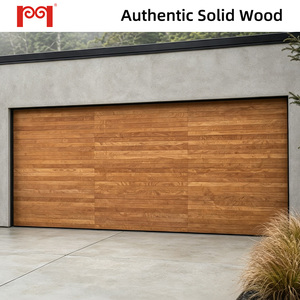
Architectural Grade Real Wood-Clad Insulated Aluminum Panel Stable Structure Smooth Operation Noise Reduction Garage Doors
Send an Inquiry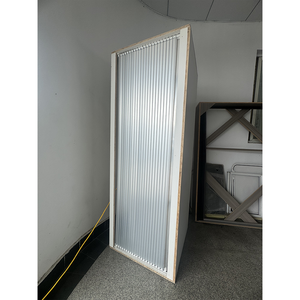
Aluminum Alloy PVC ABS Slat RV Shower Door Kit Large Sliding Curved Tambour for Caravan & RV
Send an Inquiry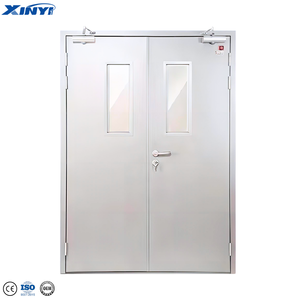
Industrial Design Thermal Insulation Fire Door Commercial Building Security Access Interior Fireproof Door Supplier
Send an Inquiry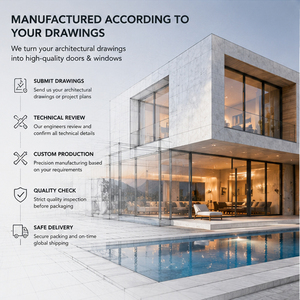
Custom Aluminum Storefront Doors And Windows For Retail Shops, Restaurants, Hotels, Shopping Centers And Commercial Entrances
Send an Inquiry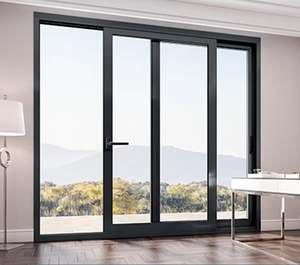
Aluminum Alloy Double Glass Swing Sliding Exterior Doors with Stainless Steel Screen Decoration Finished Surface
Send an Inquiry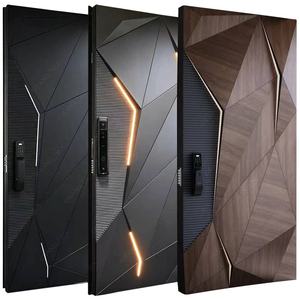
Foshan Factory Customized Modern Villa Aluminum Alloy Security Pivot Swing Doors Security Aluminum Entry Exterior Entrance Doors
Send an Inquiry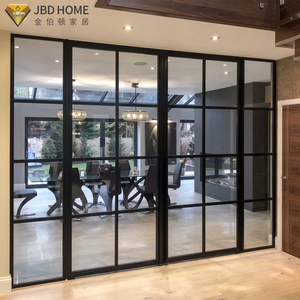
NFRC Certified Black Aluminum Sliding Glass Door Slim Frame Double Glazed Modern Patio Entrance for Residential Villa Projects
Send an Inquiry
Black Aluminium Casement Window Customized Size Double Glass Swing Windows with Screen for Kitchen Bathroom Villa
Send an InquiryStrategic Engineering & Sourcing of Premium Aluminium Sliding Windows
Understanding structural load dynamics, thermal transmittance values (U-Factor), multi-track weatherproofing, and global compliance standards for large-scale building envelopes.
Primary Alloy Integrity (6063-T5 / T6)
We utilize 100% prime virgin aluminum billets extruding structural wall thicknesses from 1.4mm for residential applications up to 3.0mm heavy-duty commercial mullions, offering tensile strengths exceeding 200 MPa to withstand high wind load pressures.
Advanced Thermal Polyamide Barriers
Equipped with imported PA66GF25 (25% fiberglass reinforced polyamide) thermal break strips, our sliding systems isolate interior thermal energy, reducing condensation while achieving U-factors down to 1.6 W/m²K (0.28 BTU/h-ft²-°F).
EPDM Co-extruded Triple Sealing
Integrating continuous vulcanized EPDM rubber gaskets across sash interlocks and frame perimeters. Offers superior UV resistance, air permeability control (ASTM E283 Class 3), and water penetration resistance up to 700 Pa.
Technical Engineering Matrix: Vexis Aluminium Sliding Window Systems
Comprehensive performance metrics tailored for structural engineers, project managers, and commercial importers.
| Performance Feature | Standard Residential Profile | Thermal Break Commercial System | Ultra-Slim Architectural Line |
|---|---|---|---|
| Frame Profile Depth | 80mm – 108mm | 120mm – 150mm Multi-Track | 160mm Heavy-Duty Lift-Sliding |
| Extrusion Wall Thickness | 1.4mm – 1.6mm (GB/T 5237) | 1.8mm – 2.0mm Reinforced | 2.2mm – 3.0mm Structural Grade |
| Glass Configuration | 5mm+12A+5mm Double Tempered | 6mm+16A+6mm Low-E Argon Filled | 8mm+1.52PVB+8mm Triple Glazed Laminated |
| Thermal Transmittance (U-Value) | 2.8 – 3.2 W/m²K | 1.6 – 2.2 W/m²K | 1.1 – 1.5 W/m²K (Passivhaus Capable) |
| Sound Insulation (STC/Rw) | 32 dB – 35 dB | 38 dB – 42 dB | 42 dB – 48 dB (Acoustically Dampened) |
| Wind Pressure Resistance | Class 5 (2.5 - 3.0 kPa) | Class 8 (4.0 - 4.5 kPa) | Class 9 (≥ 5.0 kPa Hurricane Rated) |
| Surface Finish Options | AkzoNobel Powder Coating, PVDF Fluorocarbon Sprayed (10-25 Year Guarantee), Anodized Oxidation, Italian Thermal Wood-Grain Transfer | ||
Vexis Windows & Doors: 20+ Years of Manufacturing Leadership
Operating from our 30,000 m² state-of-the-art production base in Lishui Town, Foshan, Guangdong, Vexis Windows integrates advanced automated CNC profile cutting, double-corner crimping, dynamic glass glazing, and strict quality control under ISO9001 guidelines.
Our technical engineering desk works directly with developers, architectural firms, and facade contractors across 154+ countries—including North America, Europe, Australia, and SE Asia—providing tailor-made shop drawings (CAD/BIM), structural calculations, and seamless ocean delivery logistics.
Core OEM/ODM Export Advantages
- Bespoke Architectural Customization: Custom sash dimensions, multi-track sliding configs (2-track, 3-track, 4-track with integrated mosquito mesh).
- International Testing Compliance: Complete laboratory test reports for NFRC thermal performance, CE marking, and Australian AS2047 fenestration standard.
- Seaworthy Heavy Export Packaging: Protective blue film wrapping, non-fumigation plywood crates, and corner shock absorbers ensuring zero damage.
- Factory Immersion: 1,500 m² modern showroom showcasing full-scale operating sliding doors, slim-line sash systems, and smart motorization.
Future Procurement & Technology Trends in Aluminium Sliding Windows
As global building energy codes tighten and minimalist modern architecture dominates urban skylines, international procurement of aluminium fenestration is undergoing four major paradigm shifts.
1. Ultra-Slim Sightlines & Concealed Frame Architecture
Modern high-end residential developments are aggressively transitioning away from bulky 90mm sash frames to micro-slim 18mm to 25mm visible interlocks. The market demand favors "invisible framing" where the outer frame is fully embedded into the perimeter wall structure, yielding up to 98% glass surface area and unobstructed daylighting.
Procurement Impact: Buyers must source suppliers capable of machining structural heavy-duty bottom rollers and structural silicone glazing (SSG) to carry heavy IGUs without sash sagging.
2. Carbon-Neutral Alloys & High Energy Efficiency Standards
With strict decarbonization mandates (EU EPBD directives, North American ASHRAE 90.1, and Australia NCC 2022 NatHERS ratings), basic non-thermal aluminum windows are being rapidly phased out. Sourcing managers now specify green recycled aluminum billets extruded with low embodied carbon, paired with multi-cavity thermal break profiles and warm-edge spacer technology.
Procurement Impact: Importers require validated Environmental Product Declarations (EPDs) and low solar heat gain coefficient (SHGC ≤ 0.25) glass options.
3. Smart Automation & Concealed Motorized Drives
Commercial entrances, high-ceiling villas, and luxury hospitality venues increasingly demand motorized sliding windows and oversized lift-slide doors. Modern systems embed ultra-quiet DC brushless motors into the top track, fully integrated with Smart Home Automation (Zigbee, KNX, RS485) and automatic rain/wind sensor safety retractors.
Procurement Impact: Window suppliers must provide pre-wired plug-and-play electronic harness systems and anti-pinch safety sensors for international compliance.
4. Prefabricated Sub-Frame & Modular Installation Kits
To offset soaring site installation labor costs across Western markets, export-focused factories are shifting toward prefabricated modular sub-frames (nailing fins for US timber studs, reveal fins for Australian brick veneer, and masonry anchors for Middle Eastern concrete structures).
Procurement Impact: Custom hardware pre-drilling and knock-down (KD) assembly packaging reduce container shipping volume while enabling fast site installation.
B2B Buyer Sourcing Guide: How to Evaluate China Window Factories
Key technical checkpoints every project developer and importer must audit before issuing a Purchase Order (PO).
1. Aluminum Profile Alloy Standard
Ensure the factory uses 6063 primary alloy with T5 or T6 heat treatment. Avoid mills using scrap-recycled aluminum, which causes surface pitting, weak anodizing layers, and structural cracking under high wind loads.
2. Hardware & Roller Load Rating
Heavy sliding glass sashes require stainless steel tandem rollers rated for minimum 200kg–400kg capacity per panel. Multi-point stainless steel 304 locking gear provides burglary protection and uniform compression.
3. Surface Coating Certification
For coastal installations, verify Qualicoat Class 2 or AAMA 2604/2605 fluorocarbon PVDF powder coating to resist salt spray corrosion, chalking, and intense UV degradation for over 15+ years.
Frequently Asked Questions for Sourcing & Export
Direct answers to technical, commercial, and logistical questions asked by international project developers and trade buyers.