Featured Aluminium & Hybrid Fenestration Systems
Directly manufactured in our 30,000 m² Foshan production base. Rigorously tested for extreme thermal, acoustic, and hurricane-rated wind loads.
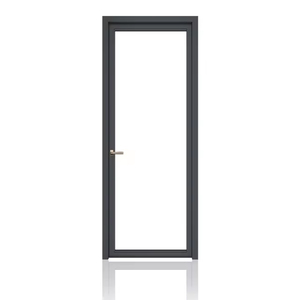
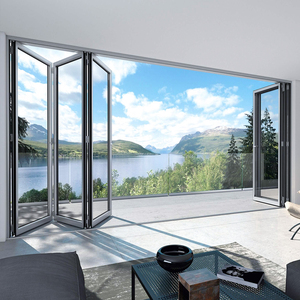
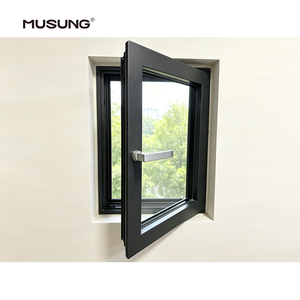
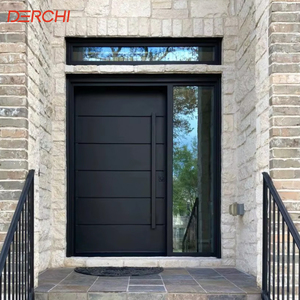
1. Technical White Paper: The Evolution of Aluminium-Fibre Composite Fenestration in China
The global construction sector is undergoing a profound paradigm shift driven by stringent net-zero carbon mandates, increasing hurricane and storm intensities, and escalating expectations for building longevity. As modern architecture pushes the boundaries of structural spans and glass surface ratios, traditional frame materials often present unacceptable trade-offs. Standard aluminium extrusions, while mechanically robust and corrosion-resistant, exhibit high thermal conductivity requiring complex thermal breaks. Conversely, timber frames suffer from moisture vulnerability, and basic vinyl profiles lack structural strength under high elevation wind loads.
To overcome these engineering bottlenecks, top-tier Chinese extrusion facilities have spearheaded the commercial production of Aluminium Fibre Reinforced Systems. By embedding high-density synthetic or carbon-fibre matrix inserts directly within extruded 6063-T6 architectural aluminium alloys and utilizing 25% glass-fibre reinforced polyamide (PA66GF25) thermal barriers, manufacturers have achieved unprecedented strength-to-weight ratios, extreme resistance to thermal deflection, and market-leading U-values compliant with global Passive House specifications.
As a leading China Top Aluminium Fibre Door Manufacturer & Factory network headquartered in Foshan, Guangdong, Vexis Windows & Doors integrates alloy metallurgy, structural thermal breaker design, multi-stage anodizing, and multi-point automated hardware assembly. This integrated manufacturing model ensures full compliance with international standards such as ASTM E330 (structural wind load), NFRC energy ratings, EN 12207 air permeability standards, and AS2047 structural window compliance for coastal regions like North America, Australia, and the United Kingdom.
- 6063-T6 Extrusion Alloy: High-tensile structural frame profiles engineered for high-rise wind loads.
- PA66GF25 Polyamide Thermal Strips: Glass-fibre reinforced structural barrier minimizing U-value thermal transfer.
- Multi-Point Lock Mechanisms: German-engineered hardware guarantees air and water tight sealing under storm conditions.
- Fluorocarbon PVDF Coating: Superior weatherability exceeding 30-year resistance to UV radiation and coastal salt spray.
2. Key Structural Advantage Modules of Modern Aluminium Systems
Thermal & Acoustic Isolation
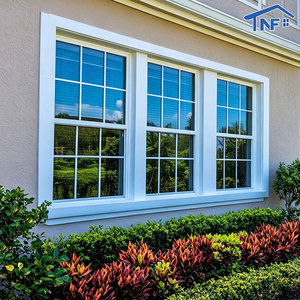
Multi-cavity extrusion profiles lined with aerogel insulation and double/triple glazed low-E units provide up to 45dB noise reduction and low thermal transmittance.
Slim Sightlines & Ultra-Spans
High structural modulus allows ultra-slim interlocking stiles down to 20mm, providing uninterrupted panoramic outdoor views for commercial and luxury residential builds.
Typhoon-Rated Security
Reinforced corners, stainless steel mesh integration, and heavy-duty spiral tracks guarantee structural anti-theft and wind resistance up to 5000 Pascals.
3. Future Procurement Trends in Global Door & Fenestration Systems (2025–2035)
For international procurement managers, real estate developers, and architectural specifiers, navigating sourcing decisions over the next decade requires anticipating critical shifts in regulatory, technological, and environmental landscapes. Factories in China are rapidly adapting to these trends by converting standard production lines into smart manufacturing units.
A. Decarbonization & Mandatory Low-E / Passive House Compliance
Building codes in North America (IECC 2024 standards), Europe (EPBD revisions), and Australia (NCC energy mandates) are rapidly outlawing un-insulated aluminium profiles. Procurement strategies must prioritize suppliers capable of offering verified thermal break profiles featuring structural polyurethane or glass-fibre reinforced polyamide barriers. Low-E insulated glazing units filled with 90%+ Argon gas are becoming baseline standard specifications across both commercial and residential projects.
B. Minimalist Structural Frames with High Load-Bearing Capacity
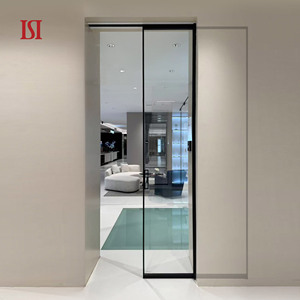
Contemporary architectural aesthetics demand floor-to-ceiling glass systems with near-invisible aluminium sightlines. Achieving this aesthetic without structural sagging requires precision engineered aluminium alloy frames backed by internal composite stiffeners. Systems such as ultra-slim pocket sliding doors and multi-panel bifolding doors require high-performance stainless steel roller tracks designed to support individual panel weights exceeding 400 kilograms with silent, single-touch operation.
C. Integrated Micro-Ventilation & Smart Automation
The convergence of home automation and structural fenestration has created strong demand for motorized high-speed entrance doors, automated tilt-and-turn casements, and concealed electric locking mechanisms. Buyers are increasingly opting for systems pre-wired for smart building management systems (BMS), biometrics, and automated climate-controlled rain sensors.
4. Strategic Factory Purchasing Guide: Evaluating a China OEM/ODM Partner
Selecting a premier China Aluminium Fibre Door Manufacturer requires rigorous evaluation beyond mere unit pricing. To ensure project execution without costly delays, site rejections, or freight damages, global procurement teams must audit vendor operational capabilities across four fundamental pillars:
1. Structural Extrusion Standard: Verify that raw materials comply with GB/T 5237 or ASTM B221 structural alloy benchmarks.
2. Quality Control Automation: Ensure 100% factory pre-assembly testing for water tightness and multi-point lock alignment prior to export packaging.
3. Packaging Resilience: Require custom wooden crating with corner guards, protective films, and desiccant bags to prevent moisture oxidation during 30+ days of ocean transit.
4. Traceable Certification: Ensure available test reports from NFRC, Intertek, SGS, or TUV for structural wind load, U-factor, and acoustic sound reduction index (STC).
5. Enterprise Profile & Technical Infrastructure: Vexis Windows & Doors
Located in Lishui Town, Foshan City, Guangdong Province — the world-renowned heartland of China's aluminium extrusion industry — Vexis Windows & Doors Co., Ltd. operates as a leading integrated manufacturer specializing in R&D, structural engineering, precision fabrication, and international export of architectural fenestration systems.
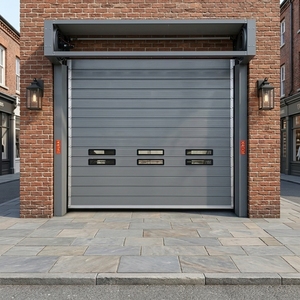
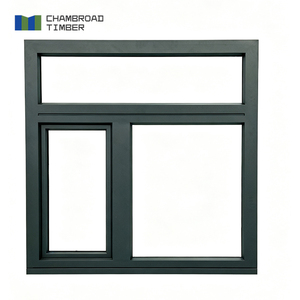
Spanning a state-of-the-art 30,000 square meter production facility complemented by a 1,500 square meter immersive technical exhibition hall, Vexis serves commercial developers, luxury villa builders, import distributors, and general contractors across 154+ countries and regions. Our portfolio encompasses heavy-duty spiral high-speed commercial doors, thermal break sliding and casement windows, ultra-slim interior pocket doors, architectural bifold patio systems, and custom structural sunrooms.
By controlling every step from custom extrusion design to final hardware integration, Vexis ensures each order matches exact architectural elevation drawings and local climate parameters — whether delivering typhoon-resistant systems to the Philippines, extreme thermal break profiles to Canada, or solar-control Low-E fenestration to Australia and the United States.
6. Frequently Asked Questions (FAQ) for Importers & Project Buyers
What defines an Aluminium Fibre Door system compared to standard aluminium doors? +
Can Vexis customize profile dimensions, frame colors, and glass performance for custom building plans? +
How does Vexis ensure products meet local building standards in North America, Europe, and Australia? +
What export packing standards are utilized to prevent damage during ocean transit? +
What information is required to receive an accurate factory quotation and technical proposal? +
Is factory inspection available prior to bulk shipment? +
Ready to Engineer Your Project Fenestration?
Connect directly with our Foshan engineering and export team. Get tailored shop drawings, technical performance ratings, and competitive direct-from-factory pricing within 24 hours.