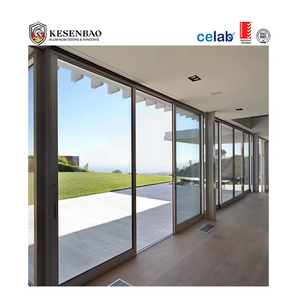
Architectural Sliding Window & Door Product Portfolio
Explore our factory-direct, precision-engineered aluminium sliding window and door systems. Custom-manufactured in Foshan to satisfy stringent international building codes, energy ratings, and structural load standards.
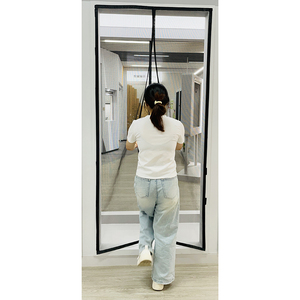
Magnet Mesh Door Screen Anti Mosquito Insects Magnetic Insect Screen Door Magnetic Mosquito Net Screen Door
Inquire Now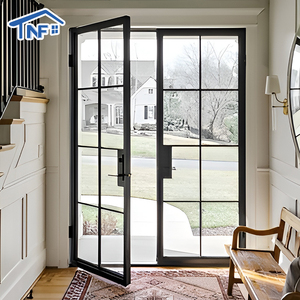
Waterproof Residential Crittall Interior Partition Aluminum Double Tempered Glass French Grilles Casement Doors For House Villa
Inquire Now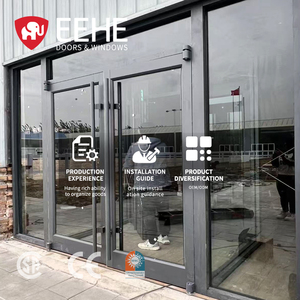
EEHE Storefront Door Modern Heavy Duty Aluminum Energy Efficient Slim Frame Tinted Glass Commercial Door for Durable Design
Inquire Now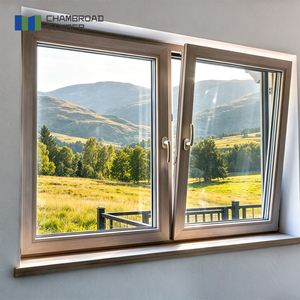
Modern Wood Aluminum Window Casement Fireproof Anti-Theft Double Glazed Insulated Glass CSA Certified for Office
Inquire Now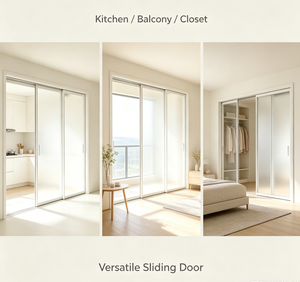
Panel Sliding Door Aluminum Alloy Frosted Glass Interior Door for Kitchen Balcony Closet Balcony Cabinet Closet Home Renovation
Inquire Now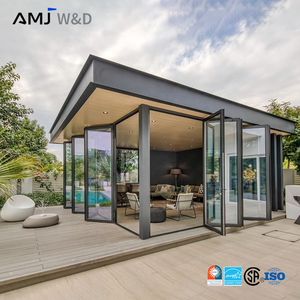
Middle East Insulating Glass Bifold Door Modern Foldable Screen Aluminum Folding Doors Exterior
Inquire Now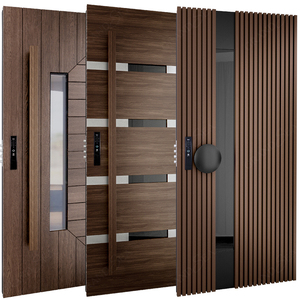
Residential: Exterior Aluminum Security Entrance Door Aluminum Blast Front Door With Security Features For Villas
Inquire NowChina Aluminium Fabrication Blueprint: Technical Excellence & Structural Engineering
In modern sustainable architecture, the structural envelope dictates a building's overall energy conservation, acoustic insulation, structural safety, and microclimate durability. As a global hub for architectural aluminum processing, China’s industrial ecosystem in Foshan, Guangdong has evolved from simple profile extrusion to sophisticated thermal break system window engineering. Precision extrusion techniques combined with advanced metallurgy ensure high structural strength-to-weight ratios capable of withstanding extreme hurricane pressures, seismic stress, and corrosive coastal marine environments.
When evaluating high-performance sliding window systems, professional real estate developers, commercial architects, and global procurement managers must look beyond surface aesthetics. True structural longevity depends on profile alloy selection, thermal barrier technology, weatherproofing seal geometry, and multi-point locking integration.
20+
Years Manufacturing R&D
154+
Global Export Markets
30,000m²
Modern Production Hub
PA66GF25
Polyamide Thermal Barrier
1. Metallurgy, Extrusion Profiles & Surface Treatment Standards
Premium sliding windows utilize high-grade primary aluminum billet, predominantly 6063-T5 or 6063-T6 aluminum alloys. 6063-T5 offers superior surface finish capabilities, excellent corrosion resistance, and precise extrusion tolerances, while 6063-T6 provides enhanced tensile yield strength (≥210 MPa) for wide-span commercial curtain walls and oversized sliding glass panels.
Primary Extrusion Quality
Utilizing 100% virgin aluminum ingots without scrap contamination. Strict wall thickness design complying with GB/T 5237 and ASTM B221 (minimum structural profile wall thickness ≥1.4mm for windows, ≥2.0mm for heavy-duty patio sliding doors).
Surface Finish Durability
Fluorocarbon PVDF coating (AAMA 2605 standard) resisting UV degradation, color fading, and chalking for 20+ years. Anodized coatings (Class 15/25) and AkzoNobel powder coatings for extreme scratch and salt-spray resistance.
Thermal Break Innovation
Incorporating German-engineered PA66GF25 (25% fiberglass reinforced polyamide) thermal strip breaks. Eliminates thermal bridging, dramatically reducing heat gain in tropical climates and heat loss in cold regions.
2. Engineering Performance Matrix: Glazing & Hardware Synergy
Sliding window systems derive their weatherability, sound reduction, and thermal performance from the integrated harmony of glass configuration, perimeter seals, and tracking hardware:
| Performance Indicator | Technical Specification / Standard | Architectural Impact |
|---|---|---|
| Thermal Insulation (U-Factor) | 0.8 to 1.6 W/m²·K (Double/Triple Glazed Low-E with Argon Gas) | Substantially cuts HVAC operational energy costs; compliant with NFRC and EU Energy Directives. |
| Acoustic Insulation (STC/Rw) | STC 35 dB - 45 dB (Laminated Double Glass Units) | Blocks urban traffic noise and external acoustics for high-end residential and hotel projects. |
| Wind Pressure Resistance | ASTM E330 / AS2047 Serviceability Pressure ≥3000 Pa to 5000 Pa | Ensures panel integrity during severe typhoons, hurricanes, and high-rise wind loads. |
| Air & Water Infiltration | Water Tightness ≥600 Pa; Air Leakage <0.1 L/s·m² (EPDM Double Seals) | Prevents rainwater ingress and air leakage even under tropical storm rainstorm conditions. |
| Tracking Hardware Load | Heavy-Duty Stainless Steel Rollers rated for 200kg - 400kg per sash | Guarantees effortless, smooth, ultra-silent sliding movement for 100,000+ cycle lifespans. |
Future Global Procurement Trends in Aluminium Windows & Doors (2026–2030)
The international fenestration procurement landscape is undergoing a structural shift driven by global carbon neutrality commitments, strict building energy performance codes, and changing architectural design aesthetics. Importers, project developers, and building material wholesalers must realign their supply chain strategies to leverage these evolving macro trends:
1. Ultra-Slim Minimalist Sightlines & Panoramic Glass Panels
Modern architectural aesthetics favor maximal daylighting and unobstructed views. The market is rapidly shifting toward hidden-frame and ultra-slim profile sliding systems (interlock sightlines under 20mm). Sourcing factories that possess structural finite element analysis (FEA) capabilities to maintain high wind-load resistance with minimal aluminum visibility is becoming a crucial competitive advantage.
2. Low-Carbon Aluminum & Circular Supply Chains (CBAM Ready)
With environmental regulations such as the EU Carbon Border Adjustment Mechanism (CBAM) taking effect, global buyers are prioritizing manufacturers utilizing low-carbon primary aluminum smelted via hydropower or recycled aluminum billets. Sourcing from factories with verified carbon footprint documentation ensures long-term compliance and lowers carbon tariffs for importers.
3. Prefabricated Modular Fenestration & Unitized Delivery
Escalating overseas jobsite labor costs have made on-site window assembly economically impractical. Importers and general contractors now demand fully factory-assembled, factory-glazed, knock-down (KD) or unitized window and door systems. Pre-punched sub-frames, integrated corner connectors, and pre-installed EPDM gaskets accelerate jobsite installation by over 50%.
4. Smart Hardware & Integrated Building Automation
Next-generation sliding windows are increasingly integrating motorization, electromagnetic locking, and smart home IoT sensors. Motorized sliding panels with flush-mounted sensors, automated rain sensors, and concealed biometric security locks represent the fastest-growing segment in luxury residential and high-end commercial developments.
Technological Advancement Trends in China's Window Manufacturing Sector
The Chinese window and door manufacturing ecosystem has transformed from labor-intensive assembly lines to Industry 4.0 automated smart factories. Leading manufacturers in Foshan utilize state-of-the-art technological infrastructures to ensure micron-level fabrication tolerances, high material yields, and unyielding product consistency.
CNC 5-Axis Machining Centers
Automated 5-axis CNC equipment handles profile milling, drilling, lock-hole routing, and drain slot cutting in a single pass. Eliminates human positioning errors and delivers perfect hardware seating alignment.
Robotic Corner Crimping & Injecting
Heavy profile frames utilize mechanical corner keys reinforced with dual-component corner sealant injection. This guarantees structural rigidity, eliminates corner water leakage, and prevents joint expansion.
Automated Insulated Glass Production
Fully automated glass washing, warm-edge spacer bending, automated molecular sieve desiccant filling, gas injection (Argon ≥90%), and automated secondary structural silicone sealing to prevent seal failure.
Why Choose Vexis Windows & Doors: Manufacturer Excellence
Vexis Windows & Doors Co., Ltd. stands as a premier direct-factory manufacturer integrating architectural R&D, custom profile design, precision manufacturing, and international export logistics. Headquartered in the epicenter of China's aluminum industry—Lishui Town, Foshan, Guangdong—we offer unmatched technical support and manufacturing capacity tailored for overseas buyers.
30,000 m² Advanced Production Base
Our expansive state-of-the-art facility features dedicated extrusion lines, thermal break assembly, automated glazing stations, and strict Quality Management systems (ISO9001 certified). We house a 1,500 m² immersive exhibition hall showcasing comprehensive window and door systems.
20+ Years Export & Project Experience
With over two decades of technical dedication, our products are installed across 154+ countries and regions. From high-rise residential towers in Canada and the US to cyclone-prone coastal villas in Australia and the Philippines, we understand regional building codes thoroughly.
Comprehensive Custom OEM/ODM Capabilities
Every order is custom built to exact CAD/BIM specifications. We provide complete customization options including frame profile depth, thermal barrier width, powder coat/PVDF color matching, custom glass makeup, mullion configurations, and premium hardware selection.
Rigorous Global Standard Compliance
Our products undergo rigorous third-party testing for water tightness, air infiltration, wind load resistance, and thermal insulation. Certified to satisfy Australian Standards (AS2047/AS1288), North American NFRC/AAMA criteria, European CE marks, and CSA standards.
Frequently Asked Questions for Global Procurement & Importing
Key technical, logistical, and commercial inquiries answered by Vexis export engineering team to streamline your sourcing process.
What window and door systems does Vexis specialize in manufacturing? +
Vexis manufactures a comprehensive range of architectural aluminum systems, including thermal break aluminum sliding windows, heavy-duty sliding patio doors, ultra-slim frame doors, casement windows and doors, bifold folding doors, tilt-and-turn windows, awning windows, glass skylights, and custom aluminum sunrooms. We also supply integrated insect screens (magnetic and fly mesh), French grilles, and commercial storefront entry doors.
How does Vexis ensure products comply with local building codes in destination markets (e.g., Australia, North America, EU)? +
Our engineering department reviews project shop drawings against regional building performance requirements. We customize structural wall thicknesses, glass processing (toughened, laminated, Low-E, Argon-filled), and EPDM seal configurations to meet specific standards such as AS2047/AS1288 for Australia, NFRC/ASTM for North America, and CE (EN 14351-1) for Europe. Full test reports and compliance certificates are available upon request for project submittals.
What details are required to receive an accurate factory quotation for a project? +
To provide a precise quotation and engineering recommendation, please share: (1) Window/door architectural elevation drawings or opening schedule with dimensions and quantities; (2) Preferred opening style (sliding, casement, bifold); (3) Profile color/finish preference; (4) Glass specification (e.g., 6mm+12Ar+6mm Low-E double toughened); and (5) Project location or destination port for structural wind load calculation and logistics planning.
What export packaging protection is used to prevent freight damage during ocean transport? +
All manufactured frames and glass panels undergo multi-layer export packaging. Profile surfaces are covered with protective anti-scratch film, corners are fitted with reinforced plastic guards, and units are wrapped in polyethylene bubble film. Finished windows are securely packed inside fully enclosed, fumigated wooden crates or steel-framed stills designed for safe forklift handling and container transport without glass breakage or frame distortion.
What is the standard manufacturing lead time for custom aluminum sliding window orders? +
Standard factory lead time for custom production is 25 to 35 business days following final shop drawing approval and deposit confirmation. For special surface treatments (such as custom PVDF color matching or complex architectural anodizing), lead time may range from 35 to 45 days. Expedited production schedules can be arranged for time-sensitive commercial projects upon agreement.
Can overseas buyers schedule a factory audit or virtual showroom inspection? +
Yes, we warmly welcome international buyers, developers, architects, and third-party inspection agencies (such as SGS or TÜV) to visit our 30,000 m² production base and 1,500 m² exhibition hall in Lishui Town, Foshan, Guangdong. For clients unable to travel, we provide real-time HD video factory tours and live online technical consultations.
Partner with China's Premier Aluminium Window Factory
Elevate your project with factory-direct thermal break sliding windows and doors. Request engineering support, shop drawings, and competitive direct pricing today.
Inquire Now