Featured Aluminum Window & Door Joinery Systems
Factory-direct precision engineering: High-performance structural joinery exported to over 154 countries.
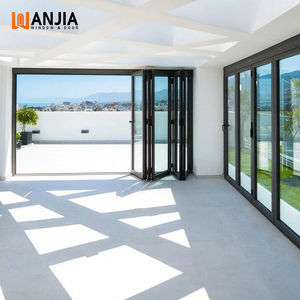
Heavy Duty Coastal Glass Commercial Doors Folding Glass Door Thermal Breaking Glass Bifold Doors
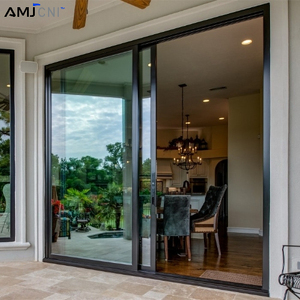
AMJ NFRC Thermal Break Aluminum Door and Window Aluminum Sliding Door Energy Efficient Double Glass Doors for Houses USA Market
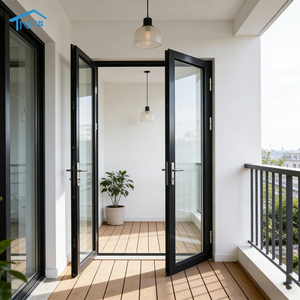
Foshan Aluminum Alloy Entry Doors Factory High Quality Modern Finished Swing Glass Door for Villa CE Certified
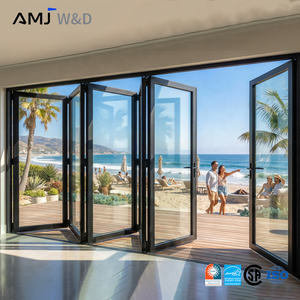
Custom Modern Patio Door Thermal Insulation Living Room Double Glass Exterior Foldable Fiberglass Aluminum Alloy Bifold Doors
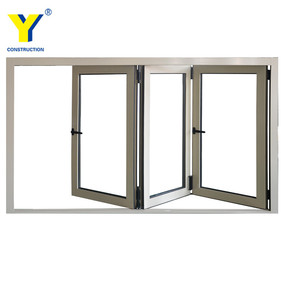
Puertas Plegables De Aluminio / concertina Folding Doors / Patio Accordion Garage Folding Doors
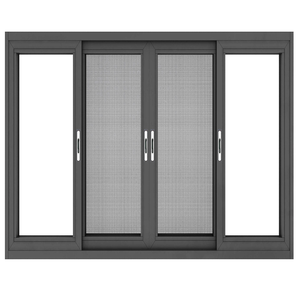
AS2047 Multi Large Sliding Swing Glass Window Aluminium Double Glazed Window Frame Aluminium Sliding Window With Mosquito Net
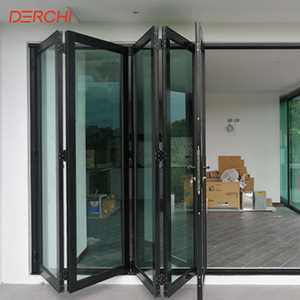
Customized Large Panel Upper Sliding French Balcony Bifold Door Transparent Aluminium Bi Folding Door Exterior Folding Door
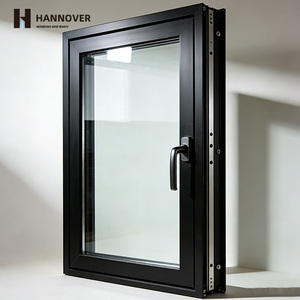
Slim Frame Aluminum Casement Window Stainless Steel Double Glass Thermal Break Modern Swing High End Architectural Minimalist
1. Executive Whitepaper: Architectural Micro-Ventilation & Thermal Envelope Dynamics
In contemporary architectural design, the dual imperative of lowering Building Energy Performance Index (BEPI) ratings while preserving optimal Indoor Air Quality (IAQ) has established aluminum ventilation window systems as critical components of high-efficiency building envelopes. Engineered micro-ventilation systems mediate heat exchange, air circulation, structural wind load integrity, and acoustic attenuation. As global energy codes—such as ASHRAE 90.1 in North America, EN 13830 across the European Union, and AS2047 in Australia—enforce tighter air-tightness thresholds, conventional passive windows frequently fail to maintain natural airflow without sacrificing thermal efficiency.
Natural ventilation joinery operated via calibrated louvers, glass sashes, and thermal break frames serves as an dynamic passive cooling mechanism. By leveraging stack ventilation effects (buoyancy-driven thermal currents) and wind-driven cross-ventilation, engineered aluminum ventilation windows optimize air changes per hour (ACH) while suppressing airborne contaminants and relative humidity (RH) build-up. Vexis Windows & Doors Co., Ltd., operating from its 30,000 m² manufacturing hub in Foshan, Guangdong, China, engineers thermal break profile systems that integrate pressure-equalized rain-screen drainage and continuous EPDM multi-cavity sealing gaskets to harmonize ventilation efficiency with acoustic isolation.
Calibrated louver placement triggers natural buoyancy differential, circulating interior air without secondary HVAC energy draw.
Reinforced polyamide thermal break strips disrupt thermal bridges, limiting U-factors down to 1.1 - 1.4 W/m²K under rigorous NFRC testing.
Double-glazed low-E argon-filled units combined with internal baffle paths attenuate ambient urban noise by up to 45 decibels.
The physics of architectural ventilation relies heavily on structural profile stability under cyclic wind load pressure. Raw alloy choice is paramount: Vexis utilizes high-tensile 6063-T6 aluminum extrusions treated with T6 temper aging, achieving a ultimate tensile strength exceeding 205 MPa. This structural rigidity allows narrow sightlines alongside expansive glazing surfaces, ensuring structural stability up to ultimate wind pressures of 4500 Pa (equivalent to Category 5 hurricanes under ASTM E330 testing protocols).
2. Manufacturing Engineering Supremacy & Enterprise Infrastructure
Selecting an aluminum window manufacturer requires assessing their vertical integration, quality control standards, metallurgical expertise, and operational scale. Operating from Lishui Town, Foshan—the world's epicenter for architectural aluminum extrusions—Vexis Windows & Doors Co., Ltd. maintains a factory footprint encompassing automated CNC cutting centers, double-head precision corner-crimping machinery, and electrostatic powder coating lines certified under AkzoNobel and PPG licensed applicators.
| Engineering Specification | Vexis Enterprise Baseline | Industry Standard (Commodity Grade) | Operational Impact & Benefit |
|---|---|---|---|
| Extrusion Alloy & Temper | Alloy 6063-T6 / 6005-T6 Architectural Grade | Alloy 6063-T5 Recycled Scrap Scrap-Blend | +35% yield strength, superior wind-load resilience and fatigue resistance. |
| Thermal Isolator Material | PA66-GF25 Polyamide (25% Glass Fiber Reinforced) | Recycled PVC or Polypropylene Strips | Prevents thermal distortion up to 220°C; coefficient of expansion matches aluminum profile. |
| Surface Coating Spec | Fluorocarbon PVDF (AAMA 2605) / Anodized 25μm | Standard Polyester Powder (AAMA 2603) | Zero chalking, fading, or pitting under intense UV and coastal marine salt spray testing (>3,000 hrs). |
| Sealing Gasket Compound | Continuous Molded EPDM / Silicone Sponge Co-extrusion | Nitrile Rubber / Thermoplastic PVC | Resists UV degradation and compression set from -40°C to +120°C ambient shifts. |
| Hardware & Locking Mechanism | German Siegenia / HOPPE / Custom Stainless 316 Multi-Point | Single-Point Zinc Alloy Friction Stay | Burglar resistance up to RC2/RC3 safety ratings; 50,000+ cycle operating life guarantee. |
Every production run undergoes non-destructive testing, including hydrostatic pressure chamber simulation (ASTM E331) to verify water resistance, air infiltration benchmarking (ASTM E283), and digital profile thickness verification via ultrasound callipers. The 1,500 m² immersive exhibition center at Vexis enables B2B buyers, architects, and facade contractors to inspect working mockups, tilt-turn micro-ventilation joinery, ultra-slim sliding doors, and soundproof curtain wall integration firsthand.
3. Comprehensive Product Engineering Matrix & System Classification
Building requirements vary by climate zone, structural height, sound mitigation goals, and local building codes. Aluminum ventilation windows fall into distinct functional typologies engineered to solve specific environmental challenges:
3.1 Tilt & Turn Dual-Action Micro-Ventilation Windows
Combining interior casement swinging with top-tilting micro-ventilation, tilt-and-turn windows are the benchmark for high-rise residential projects. In tilt mode, the upper sash tilts inward by 100mm to 150mm, creating a continuous draft-free air exchange zone along the ceiling line while maintaining anti-burglary protection and weatherproofing during rainfall.
3.2 Integrated Louver & Glass Trickle Ventilation Systems
Designed for tropical regions or hot-humid climates (such as Southeast Asia, coastal North America, and Australia), glass louver windows utilize adjustable horizontal blades driven by internal rack-and-pinion actuators. These systems deliver up to 95% clear opening area for maximum airflow, featuring integrated insect screen mesh and optional motorized actuators tied to Building Management Systems (BMS).
3.3 Heavy-Duty Coastal Folding & Sliding Ventilation Doors
For wide-span patio openings, coastal commercial resorts, and high-end villas, heavy-duty thermal break bifold and multi-track sliding doors deliver panoramic view paths while incorporating perimeter trickle-vent insert channels. Stainless steel 316 rollers support sash weights up to 400 kg per panel with smooth, quiet operation.
| System Category | Air Permeability | Water Tightness | Thermal U-Factor | Acoustic Rating | Primary Application Zone |
|---|---|---|---|---|---|
| Thermal Break Casement / Tilt & Turn | Class 4 (EN 12207) | E1050 (1050 Pa) | 1.1 – 1.4 W/m²K | STC 42 – 48 dB | Urban High-Rise / Cold-Climate Residential |
| Adjustable Architectural Louver | Class 2 (EN 12207) | 300 Pa - 450 Pa | 2.2 – 2.8 W/m²K | STC 28 – 34 dB | Tropical / Subtropical Commercial & Resorts |
| Ultra-Slim Frame Sliding Doors | Class 3 (EN 12207) | 600 Pa - 750 Pa | 1.4 – 1.8 W/m²K | STC 36 – 40 dB | Luxury Villas / Hospitality Outdoor Living |
| Heavy-Duty Coastal Bifold Doors | Class 3 (EN 12207) | 700 Pa - 900 Pa | 1.3 – 1.7 W/m²K | STC 38 – 42 dB | Coastal Waterfront / High Wind Load Zones |
4. Technological Evolution & Future Development Trends (2025–2035)
The global aluminum window manufacturing industry is experiencing a massive shift driven by IoT integration, advanced material science, and stringent decarbonization mandates. B2B importers, real estate developers, and facade consultants must align their procurement strategies with these core industry shifts:
4.1 IoT-Driven Automated Micro-Ventilation & BMS Integration
Manual window operation is increasingly being replaced by automated linear actuators integrated into Building Management Systems (BMS). Modern aluminum ventilation windows incorporate rain sensors, indoor CO₂ monitor relays, and wind-speed anemometer overrides. When indoor CO₂ levels exceed 800 ppm, internal micro-actuators automatically open the top sash or trickle vent blades to exhaust stale air. Conversely, during sudden storm fronts, moisture-sensing relays trigger auto-closure within 3.5 seconds.
4.2 Vacuum Insulated Glass (VIG) & Aerogel Insulated Profiles
To meet net-zero carbon targets, aluminum frame cavities are now filled with expanded polyurethane (PU) or hydrophobic silica aerogel insulations. When paired with thin-profile Vacuum Insulated Glass (VIG)—achieving center-of-glass U-values below 0.6 W/m²K—aluminum ventilation windows match the thermal performance of thick masonry walls while maintaining ultra-thin architectural profiles.
4.3 Low-Carbon Recycled Aluminum Alloys (Green Aluminum)
With carbon border adjustments (such as the EU's CBAM) taking effect, global buyers prioritize window extrusions produced using renewable hydro-power smelting or high-percentage post-consumer recycled aluminum. Vexis is pioneering low-embodied-carbon aluminum extrusions that reduce cradle-to-gate carbon intensity from the industry average of 18 kg CO₂/kg Al down to under 4.0 kg CO₂/kg Al.
5. Global B2B Sourcing Strategies & Procurement Optimization
Procuring architectural joinery from China demands a structured approach to quality assurance, regulatory compliance, structural testing verification, and supply chain logistics. To minimize lead time delays and mitigate site installation risks, B2B procurement officers should follow a standardized four-phase evaluation framework:
Cross-reference architectural shop drawings with factory die profiles to ensure profile wall thickness (minimum 1.4mm to 2.0mm) meets local structural engineering requirements.
Verify independent laboratory test reports for NFRC thermal ratings (USA), AS2047 certification (Australia), and CE EN 14351-1 compliance (Europe).
Insist on shrink-wrapping, corner guard protection, and fully enclosed ISPM-15 fumigated plywood crates to eliminate ocean freight transit damage.
By partnering directly with a true source manufacturer like Vexis—rather than trading intermediaries—importers gain direct access to custom die extrusion tooling, custom powder coat color matching (RAL color system), site-specific shop drawing drafting, and direct factory pricing models that reduce total procurement costs by 25% to 40%.
6. Frequently Asked B2B Procurement Questions (FAQ)
Key technical, logistical, and compliance questions answered by our export engineering team:
1. What specific window and door systems does Vexis manufacture in Foshan?
2. How does Vexis customize profile die extrusions and glass configurations for custom projects?
3. How are your aluminum ventilation windows engineered for severe weather and coastal salt air exposure?
4. Which international building codes and product certifications do Vexis products meet?
5. What is the typical Minimum Order Quantity (MOQ) and production lead time for export orders?
6. What details are required to receive an accurate factory quotation for a commercial inquiry?
7. Can overseas contractors and developers conduct factory inspections or visit the showroom?
8. How does Vexis prevent transport damage during long-distance container ocean shipping?
Partner with China's Premier Aluminum Joinery Manufacturer
Whether you are specifying custom thermal break ventilation windows for a residential project, an office tower facade, or a coastal resort development, our engineering team provides direct technical consultation, shop drawings, and competitive direct-factory pricing.
Contact Us