Featured Architectural Window & Mosquito Door Systems
Engineered in Foshan, China. Tested to AS2047, AS2208, and CE standards for extreme durability, anti-theft security, and seamless insect protection.
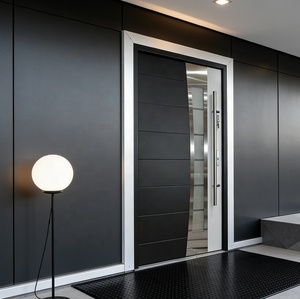
Anti-Theft Security Front Entry Doors Villa Exterior Metal Main Entry Doors New Design Aluminum Entry Doors
Get Catalog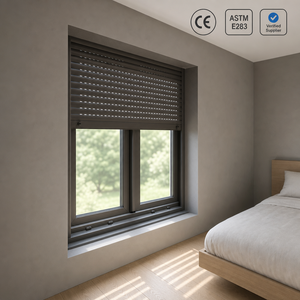
Rainproof Louver Window Aluminium Adjustable Blade Storm Resistant Shutter Window for Villa Garden House
Get Catalog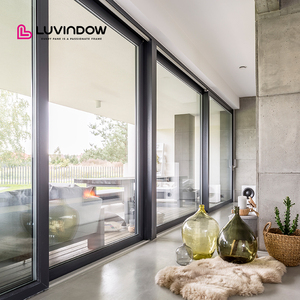
Luvindow Hurricane Impact Thermal Break Exterior Patio Aluminium Sliding Doors With Argon Low E Tempered Aluminium Glass Door
Get Catalog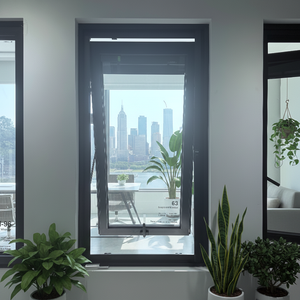
DERCHI Aluminum Casement Window Impact windows Hurricane Proof Modern Aluminium windows With Double Glazed Glass
Get Catalog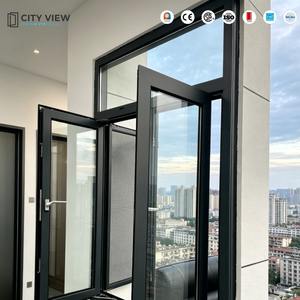
CE AS2047 SAMPLE windows Modern Soundproof Hurricane Proof Aluminum Alloy Framed French Double Glazed Casement windows
Get Catalog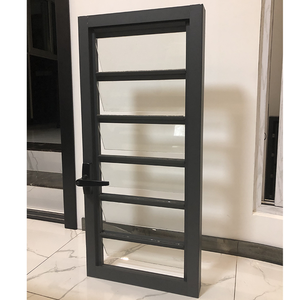
CE AS2047 Aluminum Glass Louver Window Adjustable Jalousie Window With Fly Screen For Villa
Get Catalog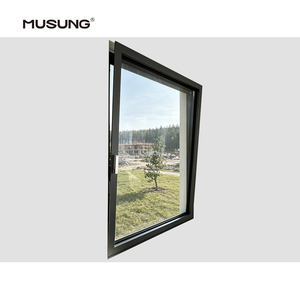
Custom Villa House Project Window and Door Thermal Break Insulated Window Soundproof Double Glazed Aluminum Casement Windows
Get Catalog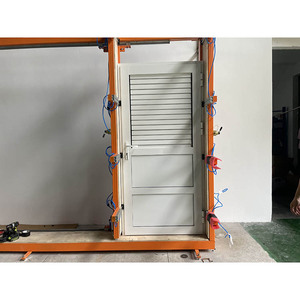
Wholesale AS2047 AS2208 Certified Aluminum Window with Security Ventilation Design for Commercial Use
Get CatalogWhy Partner With Us: Direct Factory Authority & Capacity
Headquartered in Foshan, China—the global capital of aluminum architectural extrusion—we integrate R&D, precision tooling, surface treatment, and global export handling.
High-Tensile Security Mesh Integration
Our aluminum mosquito screen doors utilize marine-grade 304 and 316 stainless steel mesh (0.8mm–1.0mm wire thickness). Tested against shear force, knife probes, and blunt impact to provide unmatched anti-theft security while blocking 99% of insects.
6063-T5 / T6 Architectural Profile
We extrude heavy-duty, high-density primary billet aluminum with profile wall thicknesses ranging from 1.4mm to 2.5mm. Reinforced structural frame design ensures zero warping or sag over decades of heavy daily usage.
Full Climate & Code Compliance
Exporting to over 154 countries means strict adherence to regional building codes. Certified under Australian AS2047 & AS2208, North American AAMA, and European CE standards for air infiltration, water resistance, and acoustic dampening.
Comprehensive Technical Analysis: Aluminum Mosquito & Security Screen Doors
Understanding the material science, structural mechanics, mesh specifications, and surface treatments that define world-class architectural security doors.
1. Metallurgical Excellence & Structural Profile Engineering
In modern architectural construction, an aluminum mosquito door is no longer merely a light screen frame added as an afterthought. Premium residential villas, commercial resorts, and high-rise developments demand integrated door systems that combine insect exclusion, anti-burglary security, storm resistance, and thermal efficiency. As China's leading aluminum mosquito door manufacturer, our production process begins with 100% primary 6063 aluminum alloy ingots, avoiding recycled scrap that compromises tensile strength.
Through precise artificial aging (T5 and T6 temper treatments), our profiles achieve a Webster hardness of ≥12 degrees and an ultimate tensile strength exceeding 205 MPa. The frame geometry incorporates multi-cavity thermal break technology featuring polyamide (PA66GF25) insulation strips. This structural design isolates the outdoor thermal envelope from the interior space, reducing U-values to as low as 1.6 W/m²K while eliminating condensation build-up in humid tropical or cold coastal climates.
2. Mesh Wire Technology: High-Tensile Stainless Steel vs. Alternative Screening
The performance of any mosquito screen door relies fundamentally on its screening medium. Traditional fiberglass screens offer basic insect protection but are vulnerable to pet scratching, accidental tearing, UV degradation, and sharp knife penetration. Our engineering team specializes in heavy-duty King Kong High-Tensile Stainless Steel Mesh (SS304 / SS316 grade), establishing a new benchmark in physical security.
| Screen Mesh Type | Wire Gauge & Weave Density | Tensile / Shear Resistance | Airflow & Light Transmittance | Primary Application |
|---|---|---|---|---|
| 316 Marine Stainless Steel Security Mesh | 0.80mm - 1.00mm Wire / 11x11 Mesh Density | >1100 N shear strength; Knife-proof & anti-pry | High clarity; 75% natural ventilation rate | Luxury Villas, Coastal Estates, High-Security Front Entries |
| 304 Standard Stainless Steel Mesh | 0.60mm - 0.70mm Wire / 12x12 Mesh Density | High physical impact resistance; Pet-proof | Excellent optical clarity & airflow | Residential Patio Doors, Balconies, Commercial Units |
| High-Density Pleated Mesh (Accordion) | Polyester / PP Woven Yarn | Flexible fold resistance; Non-security screen | 85% airflow; Compact screen folding | Large-span Bifold Doors & Ultra-Slim Sliding Doors |
| Reinforced Pet-Resistant Mesh | Vinyl-coated Heavy-gauge Polyester | Tear-resistant against claws and claws | Moderate transparency & ventilation | Ground-floor Residential Doors & Patio Enclosures |
3. Surface Finishing Technologies & Anti-Corrosion Longevity
To withstand coastal salt spray, severe solar UV exposure, and heavy urban atmospheric pollution, our factory applies automated surface finishing systems. Options include Fluorocarbon (PVDF) Spraying, AkzoNobel Electrostatic Powder Coating, and Anodizing up to 25 microns thick. Our finished products undergo rigorous lab testing, demonstrating over 1,000 hours of continuous neutral salt spray (NSS) testing without blistering, flaking, or chalking. This ensures your project retains its aesthetics for over 20 years with minimal maintenance.
Future Procurement & Product Development Trends (2026–2030)
Stay ahead of global architectural shifts. Here is how screen door technology, buyer preferences, and manufacturing standards are evolving.
Trend 1: Dual-Function 2-in-1 Glass & Security Screen Systems
Architects are increasingly specifying dual-track integrated frame profiles. Instead of installing a separate screen door behind a main glass entrance, contemporary systems incorporate insulated glass panes and high-tensile stainless steel screens within a single slim profile. This approach reduces overall installation depth, simplifies job-site labor, and delivers a sleek minimalist aesthetic preferred in modern architecture.
Trend 2: Smart Home Integration & Motorized Zip Screens
Commercial venues and high-end residential patios are rapidly adopting automated motorized zip-track insect screens. Controlled via RS485 smart home automation systems, mobile applications, or weather sensors, these screens deploy smoothly during high insect activity hours and automatically retract during high wind events to protect structural integrity.
Trend 3: Ultra-Slim Sightlines with Hidden Hardware
Visible sightlines are shrinking. Future procurement trends focus on interlock sightlines narrower than 20mm, heavy-duty concealed hinges, and multi-point mortise locks flush-mounted within the frame extrusions. This provides unobstructed indoor-outdoor views while preserving structural load performance.
Trend 4: Carbon-Neutral Recycled Aluminum Billets
ESG compliance is becoming essential for commercial project tenders in Europe, North America, and Australia. Forward-thinking suppliers are migrating to low-carbon aluminum billets processed using hydroelectric energy. This reduces embodied carbon footprint while providing full raw material traceability certification.
Global Sourcing Guide: How to Evaluate a Chinese Manufacturer
Selecting the right OEM/ODM partner requires verifying factory credentials, testing compliance, and validating international export workflows.
Step 1: Profile & Alloy Verification
Request mill test certificates (MTC) verifying 6063-T5/T6 composition. Ensure wall thickness meets structural specifications (1.4mm minimum for window frames, 2.0mm+ for heavy patio screen doors).
Step 2: Security Mesh & Tension Testing
Verify stainless steel wire grade using chemical spectrum testing (SS304 vs SS316). Ensure the screen mesh utilizes wedge-pressure retention or mechanical clamping rather than glue bonding.
Step 3: Hardware & Security Locks
Inquire about multi-point locking systems (e.g., German HOPO, Siegenia, or custom anti-pry hardware). Multi-point gearboxes secure the door frame at top, middle, and bottom simultaneously.
Frequently Asked Sourcing & Technical Questions
Clear answers to key questions from overseas developers, trade importers, general contractors, and project architects.
What types of aluminum mosquito doors and window systems do you manufacture? ▼
How does SS316 high-tensile security mesh compare to standard fiberglass mesh? ▼
Can your door and window systems meet regional structural and energy codes? ▼
Can I customize sizes, colors, hardware, and screen frame profiles? ▼
What information should I supply to receive a detailed quotation? ▼
Which global markets do you export to, and what is your factory footprint? ▼
How do you protect doors and screens during long-distance ocean freight? ▼
Ready to Upgrade Your Architectural Projects?
Work directly with Foshan's leading manufacturer of high-security aluminum mosquito doors, thermal break sliding doors, and hurricane-impact window systems. Get engineering support, full CAD shop drawings, and competitive direct factory wholesale pricing.