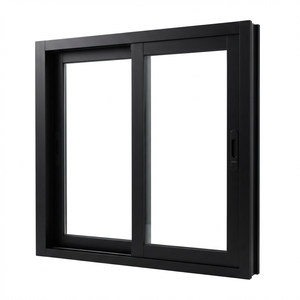
Product Catalog Showcase
Engineered Aluminum Sliding & Folding Systems
Explore our flagship series manufactured with structural alloy extrusions, thermal break insulation barriers, and Low-E acoustic glazing.
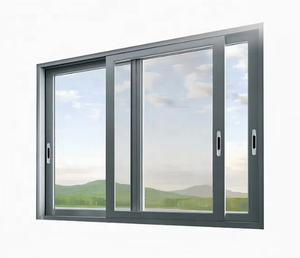
Custom Aluminum Sliding Windows Double Glazed Thermal Break Low-E Glass Durable Corrosion Resistant Horizontal Slider Window
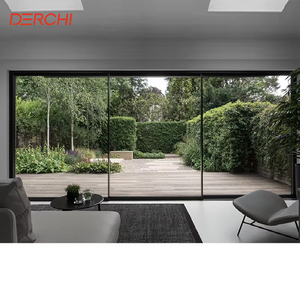
DERCHI Double Glazed Tempered Glass Floor To Ceiling windows And Sliding Doors For Balcony Patio Aluminium Terrace Sliding Door
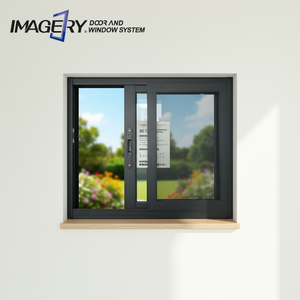
Modern Horizontal Aluminum Sliding Window With Tempered Glass Waterproof Custom Color For Residential Building Projects
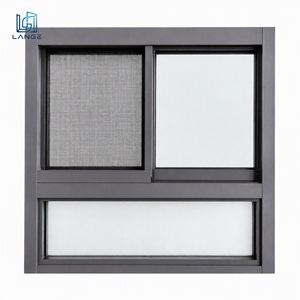
LANGE Double Glazed Aluminium Sliding Windows Low-E Glass Durable Corrosion Resistant Horizontal Slider Window
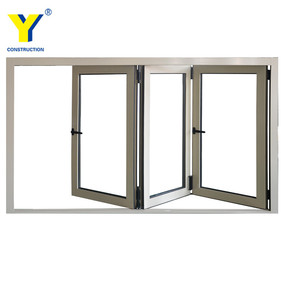
Puertas Plegables De Aluminio / concertina Folding Doors / Patio Accordion Garage Folding Doors
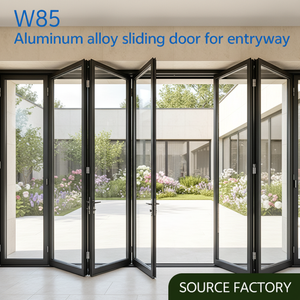
NFRC Aluminium Outdoor Accordion Door, Thermal Break Double Tempered Glass Exterior Bi-fold Sliding Patio Door
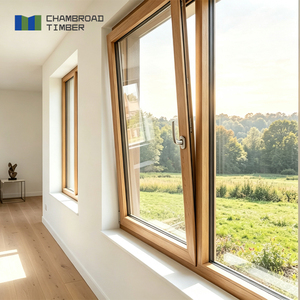
Aluminum Clad Wood Windows Triple Glazed Low-E Glass PHI Certified Energy Star Rated Soundproof for Living Room
Technical Whitepaper & Material Science
Engineering Standards for Architectural Aluminum Horizontal Sliding Windows
In modern architectural design, aluminum horizontal sliding windows have evolved from simple space-saving fenestration components into complex engineered envelope systems. Importers, structural engineers, and commercial builders sourcing from China require precise technical evaluation metrics beyond aesthetics. China's manufacturing ecosystem—specifically centered in Foshan, Guangdong—produces over 60% of the world's high-performance architectural extrusions. Evaluating these factories requires a granular understanding of profile metallurgy, polyamide thermal barriers, insulated glazing unit (IGU) dynamics, and seal integrity.
Key Procurement Benchmark: High-performance horizontal sliders must balance minimal interlock sightlines with exceptional structural wind load resistance (up to 5000 Pa), low air infiltration (≤ 0.5 m³/h·m), and thermal conductivity values meeting strict energy codes (U-factor ≤ 1.4 W/m²K).
1. Extrusion Alloy Composition and Structural Integrity
The foundation of premium horizontal sliding window systems lies in raw aluminum extrusions. World-class Chinese factories utilize 6063-T5 or 6063-T6 architectural grade aluminum alloys. The structural wall thickness typically ranges between 1.4mm for residential applications and 2.0mm to 3.0mm for heavy-duty, high-rise commercial installations. T6 temper treatment provides higher tensile strength (minimum 205 MPa) and yield strength (minimum 170 MPa), ensuring that large horizontal sliding panels do not deflect under extreme wind pressures.
| Technical Parameter | Standard Grade Extrusion | Vexis Engineered Thermal Break System | International Compliance Standard |
|---|---|---|---|
| Alloy & Temper | 6063-T5 (Standard) | Primary Ingot 6063-T6 / High-Density Alloy | GB/T 5237-2017, ASTM B221 |
| Profile Wall Thickness | 1.2mm – 1.4mm | 1.8mm – 2.5mm Heavy-Duty Reinforcement | AAMA 101/I.S.2/A440 |
| Thermal Barrier Strip | PVC / Low Grade Nylon | PA66-GF25 (25% Glass Fiber Reinforced) | DIN 16941 / EN 14024 |
| Overall U-Factor (Thermal) | > 2.8 W/m²K | 0.8 – 1.4 W/m²K (Low-E Double/Triple Argon) | NFRC 100/200, Energy Star |
| Acoustic Insulation (STC) | 25 – 30 dB | 38 – 45 dB Soundproof Laminated IGU | ISO 10140-2, ASTM E90 |
| Water Tightness Rating | 300 Pa (Class 3) | 700+ Pa Stepped Hidden Drainage System | EN 12208 (Class 9A+), AS2047 |
2. Thermal Break Technology: PA66-GF25 Polyamide Strips
Non-thermal break aluminum is highly conductive, allowing unwanted heat gain in summer and thermal loss in winter. To solve this, leading Chinese exporters implement extruded PA66-GF25 polyamide thermal barrier strips. By mechanically crimping a 24mm to 34mm glass-fiber reinforced nylon strip between the interior and exterior aluminum profiles, the thermal bridge is broken. This technical configuration prevents condensation, drastically lowers HVAC energy consumption, and enables dual-color anodizing or powder coating (different interior and exterior finishes).
3. Advanced Weather Stripping & Smooth Stainless Steel Track Roller Mechanics
The primary point of vulnerability in horizontal sliding windows is the perimeter seal where the active sash slides across the fixed frame. Subpar factories use basic felt brush piles that degrade under UV radiation, causing air drafts and water leakage. Top-tier exporters integrate multi-layer continuous EPDM (Ethylene Propylene Diene Monomer) gasket seals combined with silicone-treated high-density weather stripping. Furthermore, smooth operation is achieved via heavy-duty dual-wheel stainless steel (SUS304/SUS316) roller bearings rated for over 100,000 smooth cycle operations without panel sag.
Solar Heat Gain Control
Advanced double and triple Low-E glass coatings select spectrum frequencies, rejecting up to 78% of solar infrared radiation while maintaining high visible light transmittance.
Hidden Stepped Drainage
Engineered anti-backflow drainage channels conceal drain holes from sight while utilizing pressure equalization principles to discharge heavy storm water rapidly.
Multi-Point Security Latching
Integrated crescent locks, flush locks, or multi-point gearbox mortise systems lock the sash into structural frame keeps at multiple height points to prevent forced entry.
Market Intelligence & Trends
Future Procurement Trends for Aluminum Horizontal Sliders
How evolving global building energy standards, architectural preferences, and manufacturing automation are defining the next decade of window export supply chains.
1. Ultra-Narrow Interlocks & Panoramic Glazing
Architects are increasingly demanding minimalist sightlines. The trend has shifted toward ultra-slim vertical interlocks measuring just 16mm to 25mm in width. To maintain structural strength against wind deflection, these ultra-narrow stiles utilize steel or carbon fiber reinforcement bars inserted inside the hollow extrusion chambers, allowing floor-to-ceiling glass dimensions up to 3.5 meters high.
2. Low-Carbon Recycled Aluminum & Green Certifications
With global green building codes like LEED, BREEAM, and Passive House (PHI) enforcing strict embodied carbon limits, leading Chinese exporters are adopting primary low-carbon recycled aluminum billets. Hydro-powered smelting and powder coating finishes free of volatile organic compounds (VOCs) are becoming mandatory prerequisites for winning high-profile North American and European tenders.
3. Smart Home Integration & Automated Motorization
Manual sliding sashes are giving way to integrated concealed motorized actuators. Heavy sliding doors and wide horizontal windows can now be controlled via smartphone applications, remote controls, or smart building management systems (BMS). Integrated rain sensors automatically close active sliding sashes at the first drop of rain.
4. Hurricane-Rated & Impact-Resistant Laminated Glass
Coastal development in regions subject to severe weather (such as Florida, the Caribbean, and Australia) has spiked demand for impact-rated horizontal sliders. Manufacturers are combining heavy 6063-T6 frames with SGP (SentryGlas Interlayer) structural laminated glass units capable of withstanding missile impact tests and continuous positive/negative wind pressures.
Factory Overview & Authority
Why Source From Vexis Windows & Doors Co., Ltd.?
Direct factory production from Foshan, Guangdong—bringing over two decades of engineering expertise, certified testing, and global export infrastructure.
20+
Years R&D & Manufacturing
154+
Global Export Countries
30,000m²
Modern Production Base
1,500m²
Immersive Showroom
Full Customization & CAD Shop Drawing Support
Every commercial or luxury residential project requires unique tailored geometry. Vexis integrates an in-house team of 25+ fenestration engineers who analyze architectural blueprints, structural wind loads, and regional building codes. We produce detailed 2D/3D CAD shop drawings and BIM models for client sign-off prior to extrusion cutting.
Comprehensive Surface Treatment Superiority
Operating state-of-the-art vertical powder coating lines and anodizing baths, Vexis offers AkzoNobel and PPG certified fluorocarbon (PVDF) finishes resistant to salt-spray corrosion, UV chalking, and color fading. Perfect for harsh coastal or desert climates with a guaranteed finish lifespan of 15 to 25 years.
Rigorous Quality Control & International Testing
Our quality management system strictly adheres to ISO9001 standards. Every manufactured horizontal sliding window undergoes thorough factory testing: air permeability, water tightness, corner weld load strength, hardware cycle endurance, and glass unit seal vacuum verification before export packaging.
Export-Grade Protective Packaging & Logistics
To eliminate ocean transit damage, Vexis utilizes a 5-layer protective packing protocol: protective scratch-resistant film, heavy corner guards, EPE foam wrapping, vacuum sealing, and fully enclosed IPPC-certified fumigated wooden crates loaded directly into containers.
Procurement FAQ
Frequently Asked Sourcing Questions
Get immediate answers to common technical, logistics, and customization inquiries from overseas buyers.
What structural and thermal advantages do thermal break aluminum sliding windows offer over standard aluminum sliders?
Standard aluminum windows feature a continuous aluminum path from exterior to interior, causing high heat transfer and interior condensation. Thermal break sliding windows integrate a low-conductive PA66-GF25 polyamide barrier between the inner and outer aluminum extrusions. This reduces the frame U-factor by over 50%, eliminates interior sweating, improves soundproofing (STC ratings up to 45dB), and allows dual-color frame customization.
How does Vexis customize windows to match local building codes and climate conditions?
Our engineering staff reviews your target market's specific performance codes (such as NFRC/Energy Star in North America, AS2047 in Australia, or CE/EN standards in Europe). We modify profile wall thicknesses, select appropriate glass configurations (e.g., Low-E double double-pane with Argon, triple-pane glass, or impact laminated glass), and configure specialized EPDM weather stripping to handle local wind, rain, and temperature extremes.
What glass options are available for horizontal sliding windows, and how do they impact performance?
We offer double or triple tempered insulated glass units (IGUs), laminated safety glass, Low-E solar control coated glass, warm-edge spacers, and argon gas filling. Low-E coatings reflect long-wave heat, dramatically lowering SHGC (Solar Heat Gain Coefficient). Laminated interlayers (PVB or SGP) enhance acoustic dampening against city noise and provide storm wind-load safety.
What information is needed to receive an accurate factory quotation for a project?
To generate a detailed line-item proposal, please provide: 1) Architectural elevation drawings or rough opening dimensions; 2) Desired window type and opening configuration (e.g., 2-track, 3-track sliding with flyscreen); 3) Glass specification preference (double pane Low-E, single tempered, etc.); 4) Profile color finish (powder coated RAL code or anodized); 5) Project location or destination port for freight calculation.
Can foreign buyers visit the factory or request sample units prior to bulk order placement?
Yes, we welcome all international buyers, contractors, and architectural teams to visit our 30,000 m² manufacturing plant and 1,500 m² showroom in Foshan, Guangdong, China. We also supply custom profile corner samples and miniature functional window units via express courier for engineering inspection and lab testing before contract signing.
What are the lead times for custom manufactured aluminum window orders?
Standard production lead time is typically 25 to 35 business days following CAD shop drawing approval and deposit receipt. For complex custom extrusion molds or specialized imported hardware finishes, lead times may extend slightly. We offer expedited manufacturing slots for urgent commercial project deadlines.
Ready to Source High-Performance Aluminum Windows Direct from China?
Partner with Vexis Windows & Doors for factory-direct wholesale pricing, precision engineering, and comprehensive global project support.
Get a Quote