Export-Grade Architectural Window & Door Systems
Engineered in Foshan, China. Fully compliant with NFRC, CE, and AS2047 international performance benchmarks.
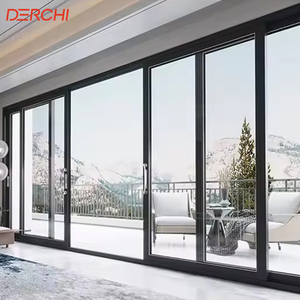
Heavy-Duty Commercial Modern Energy Efficient Office Door External Glass Slide Large Sliding Patio Doors and Windows for Home
Send an Inquiry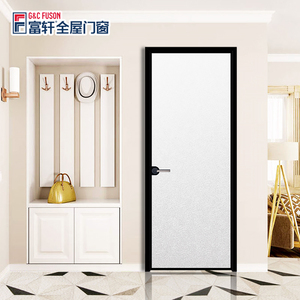
Hotel Room Glass Interior Casement Door With Lock Kitchen House Bedroom Door Office Aluminum Frame Swinging Glass Swing Door
Send an Inquiry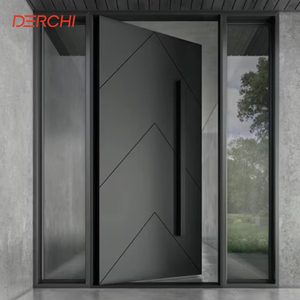
Customized Heavy Duty Residential Front Entry Doors Hurricane Impact Exterior Aluminum Villa Entrance Door
Send an Inquiry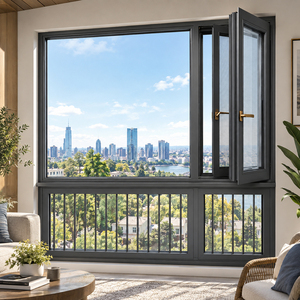
Custom Aluminum Storefront Doors and Windows Glass Entrance Systems for Retail Shops Restaurants and Commercial Buildings
Send an Inquiry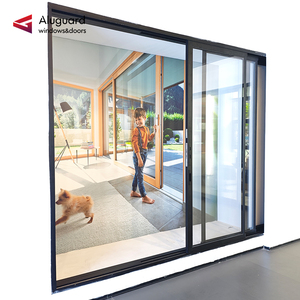
Aluguard Customized Large Size Aluminum Alloy Pocket Sliding Door With Hidden Track System for Luxury Homes
Send an Inquiry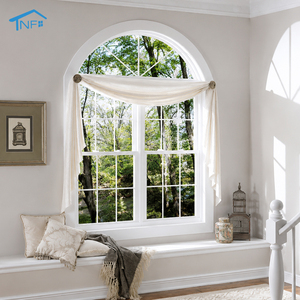
Aluminium Vertical Sliding Window
Send an Inquiry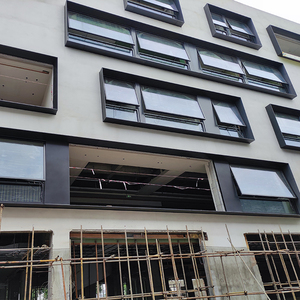
Customized design of modern aluminum veneer windows, sturdy and durable, fire-resistant and moisture-proof
Send an Inquiry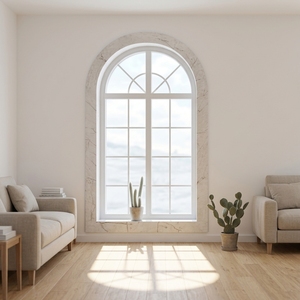
French Inward Opening Casement Window Aluminum Alloy Double Glazed European Style Custom Energy Efficient Exterior Window
Send an Inquiry1. China’s Aluminium Alloy Window Manufacturing Ecosystem: The Foshan Benchmark
The global construction landscape is undergoing a rapid paradigm shift. Today’s commercial developers, general contractors, and architectural procurement managers demand fenestration solutions that merge extreme structural durability with uncompromising energy conservation. China has emerged as the premier manufacturing hub for architectural-grade aluminium alloy windows and doors, accounting for over 55% of the worldwide supply chain output. At the center of this industrial powerhouse is Foshan, Guangdong—home to the world's most sophisticated aluminum extrusion, surface-treatment, and glazing fabrication facilities.
As a leading China manufacturer integrating R&D, architectural engineering, automated assembly, and international logistics, our 30,000 m² state-of-the-art production facility in Foshan embodies the gold standard of modern fenestration technology. Unlike standard trade intermediaries, factory-direct manufacturing allows complete control over the chemical alloy composition, thermal break cavity geometries, multi-layer weatherstripping, and glass unit assembly.
Vertical Integration: From Raw Extrusion to Certified System
Procuring window systems directly from top-tier Chinese exporters eliminates the multi-tier markup of local distributors while granting access to highly customized OEM/ODM engineering capabilities. Our production base encompasses:
- Precision CNC Machining: Fully automated multi-axis CNC centers that execute milling, drilling, and corner-crimping within tolerances of ±0.1mm, ensuring air-tight joinery.
- Advanced Surface Finishing: In-house Fluorocarbon (PVDF) coating, powder coating (AkzoNobel certified), electro-coating (electrophoresis), and real-feel wood grain transfer technology capable of withstanding 3,000+ hours of salt-spray testing (AAMA 2605 standard).
- Thermal Break Insertion Lines: Automated insertion of German-engineered Polyamide (PA66GF25) thermal barrier strips reinforced with 25% fiberglass, reducing frame thermal conduction (U-factor) down to sub-1.4 W/m²K levels.
Core Performance Indicators of Our System Windows
Designed for extreme climates—from hurricane zones in North America to coastal humidity in Australia.
Thermal Insulation & Energy Efficiency
Utilizing multi-cavity PA66 thermal break profiles paired with Low-Emissivity (Low-E) double/triple glazing filled with 90%+ Argon gas. Dramatically lowers HVAC energy consumption in strict carbon-neutral compliance environments.
Acoustic Attenuation (Soundproofing)
Engineered multi-chamber frame geometry combined with multi-layer acoustic PVB laminated glass delivers up to 45 dB noise reduction (STC 42 rating), transforming high-noise urban developments into serene indoor environments.
Structural Wind & Hurricane Resistance
Heavy-wall aluminum profiles (1.8mm to 3.0mm structural thickness) combined with multi-point stainless steel hardware systems (Siegenia, Hoppe, or custom hardware) engineered to resist design pressures over 5000 Pa.
2. Future Sourcing & Technology Trends in Aluminium Fenestration (2025–2030)
As global building codes adopt stringent net-zero operational standards (such as the EU Energy Performance of Buildings Directive and North American IECC codes), architectural procurement strategies are evolving rapidly. Procurement managers can no longer rely on standardized off-the-shelf window profiles. The industry is moving toward high-gain, climate-adaptive fenestration systems.
Trend A: The Rise of Ultra-Slim Minimalist Frame Systems
Modern architectural philosophy favors maximum natural lighting and uninterrupted panoramic views. High-end luxury residential and commercial high-rise projects are increasingly specifying ultra-slim sightline sliding and casement systems. By concealing the window sash within the building wall pocket and utilizing recessed outer tracks, visual sightlines are reduced to under 20mm. However, slim frames create structural challenges that require high-modulus 6063-T6 aluminum alloys and structural silicone glazing (SSG) techniques to maintain wind-load deflection standards.
Trend B: Smart Building Integration & Automated Micro-Ventilation
The convergence of smart home automation and commercial Building Management Systems (BMS) has driven the adoption of motorized concealed chain actuators, rain/wind sensors, and integrated micro-ventilation hardware. Tilt-and-Turn aluminum window systems are now being paired with automated actuators that trigger opening cycles based on indoor CO2 sensors, maintaining optimal indoor air quality (IAQ) without compromising perimeter security.
Trend C: Sustainable Circular Economy & Low-Carbon Aluminum
Decarbonization of building materials is now a critical tender requirement. Leading Chinese exporters are transitioning toward hydro-powered low-carbon aluminum billets and recycled aluminum content (up to 75% recycled scrap without degrading structural mechanical properties). Sourcing windows manufactured using renewable energy extrusion lines provides a measurable reduction in embodied carbon, assisting developers in achieving LEED Platinum and BREEAM certifications.
3. Technical Performance Benchmark Matrix
Below is a comparative breakdown of key physical performance parameters engineered into our flagship export window and door series:
| System Category | Thermal Transmittance (U-Value) | Acoustic Insulation (STC/Rw) | Wind Load Resistance | Water Tightness | Optimal Application |
|---|---|---|---|---|---|
| Thermal Break Casement Window | 1.2 - 1.6 W/m²K | 38 - 45 dB | Class 9 (≥ 5.0 KPa)Class P9 | Class 6 (≥ 700 Pa) | Coastal Villas, High-End Residential, Extreme Cold/Hot Zones |
| Heavy-Duty Lift & Slide Door | 1.5 - 2.0 W/m²K | 35 - 40 dB | Class 8 (≥ 4.5 KPa) | Class 5 (≥ 500 Pa) | Luxury Patio Exits, Hotel Balconies, Commercial Storefronts |
| Ultra-Slim Frame Sliding System | 1.8 - 2.2 W/m²K | 32 - 38 dB | Class 7 (≥ 3.5 KPa) | Class 4 (≥ 400 Pa) | Contemporary Architecture, Interior Partition, Minimalist Penthouses |
| European Tilt & Turn Window | 1.1 - 1.5 W/m²K | 40 - 46 dB | Class 9 (≥ 5.0 KPa) | Class 6 (≥ 750 Pa) | High-Rise Apartments, Passive House Buildings, Urban Infill |
| Hurricane Impact Entry Door | 1.8 - 2.4 W/m²K | 36 - 42 dB | +90 / -90 PSF (ASTM E1996) | Class 6 (≥ 700 Pa) | Tropical Windstorm Regions, Florida HVHZ, Resort Entrances |
4. Procurement Optimization Guide for Overseas Buyers
Navigating cross-border procurement of custom architectural products requires a structured risk-mitigation framework. To ensure a smooth transition from CAD drawings to site installation, international buyers should enforce the following four-stage procurement protocol:
Stage 1: Shop Drawing Verification & BIM Modeling
Never place a mass production order based solely on initial elevation drawings. Our engineering desk converts client architectural blueprints into detailed 2D/3D shop drawings. These drawings specify precise wall-interface flashing details, structural anchor points, thermal break alignments, drainage weep hole locations, and glass bite depths. Production commences only after formal sign-off from the project’s architect or structural engineer.
Stage 2: Hardware Selection & Operational Durability
Window reliability is dictated by its hardware cycle life. For heavy sashes weighing over 150 kg, specifying German-imported hardware (e.g., ROTO, Siegenia, HOPPE) or top-tier tested domestic brands (CMECH, Kin Long) is crucial. System hardware must pass minimum 25,000-cycle open/close durability tests to prevent sash sagging over time.
Stage 3: Export Packaging Engineering
Maritime ocean freight presents severe risks of vibration damage, moisture oxidation, and glass breakage. Exceptional China exporters utilize export-grade packaging protocols:
- Protective anti-scratch PE film applied to all exposed aluminum profiles.
- Custom corner guards made of high-density EVA shock-absorbing foam.
- Fully enclosed fumigated plywood crates with internal moisture-absorbing desiccant packs and steel banding.
Frequently Asked Questions (FAQ)
Essential insights for importers, architectural specifiers, and building contractors.
What parameters are required to obtain an accurate factory quote? ▼
How do your aluminum window systems conform to regional building standards? ▼
What is the difference between non-thermal break and thermal break aluminum? ▼
What is the standard production lead time for custom export orders? ▼
Can we request physical samples prior to bulk production? ▼
How does factory-direct pricing compare to sourcing from local distributors? ▼
Ready to Elevate Your Architectural Project?
Consult directly with our export engineering department to receive custom shop drawings, technical compliance verification, and competitive factory-direct pricing for your project.