Featured Sunroom Window & Door Systems
Precision-engineered aluminum profiles, thermal break technology, and heavy-duty structural glazing tested for extreme weather durability and energy efficiency.
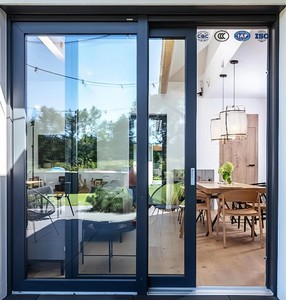
Modern Aluminum Alloy Sliding Windows and Doors with Tempered Glass Soundproof Exterior Use
Get Catalog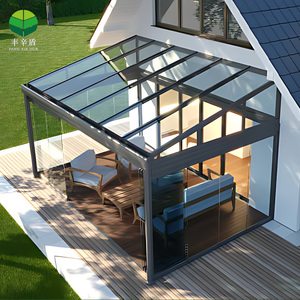
Aluminum Sunroom Outdoor Wall Mounted Glass Sunroom 4 Season Aluminium Garden Room For Patio
Get Catalog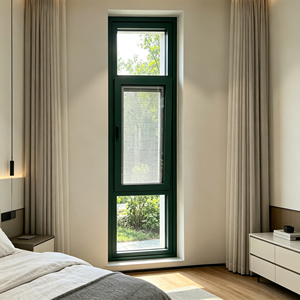
RC4 Weather Resistant Aluminum Tilt and Turn Casement Window for Sunroom Extension Villa Balcony Custom Hardware Handle
Get Catalog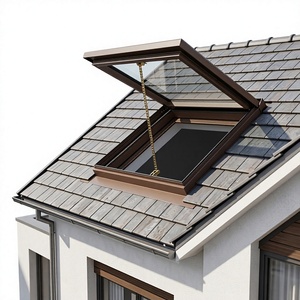
Automatic Aluminum Electric Skylight Rectangle Roof Window Triple Glazed Glass Soundproof Rain Screen for Sunroom Loft
Get Catalog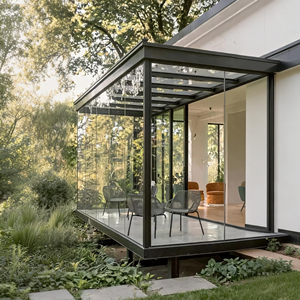
Modern Janas Aluminum Alloy Glass House Sunroom Insulated Tempered Glass Panels Noise Reduction Easy Installation for Balcony
Get Catalog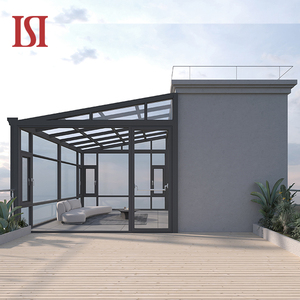
Top Brand Modern Design Four Seasons Solarium Garden Sunroom Aluminum Profile Insulated Windows and Doors
Get Catalog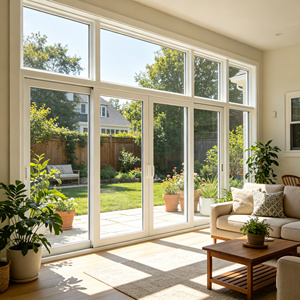
Thermal Break Aluminum Sunroom Panoramic Floor Window Double Glazed Glass Full View for American Residential Sunroom Projects
Get Catalog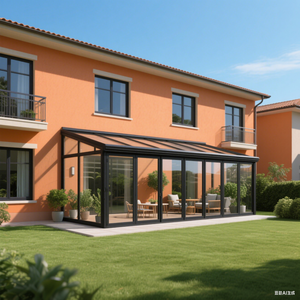
Hot Sale Triple Glazed Aluminium Casement Windows Powder Coated Durability Waterproof Sunrooms and Glass Houses for Outdoor Use
Get CatalogCE Certified Aluminum Sunroom Windows: Architectural Whitepaper & Sourcing Framework
Modern architectural glass enclosures, four-season solariums, and structural sunrooms represent a complex intersection of thermal engineering, mechanical load distribution, and building envelope science. When sourcing aluminum sunroom windows from direct-factory manufacturers, securing authentic CE Certification under EN 14351-1:2006+A2:2016 (Windows and Doors Harmonized European Standard) and compliance with the EU Construction Products Regulation (CPR No 305/2011) is paramount for architects, commercial developers, and procurement directors worldwide.
A true CE-certified factory does not merely paste a label on exported window crates; it operates under a strict Factory Production Control (FPC) system verified by accredited notified bodies. This technical guide delivers empirical criteria for evaluating direct manufacturer factories, structural aluminum alloys, thermal barrier integration, structural glazing performance, and future procurement shifts across global markets.
1. Structural Engineering & Profile Metallurgy in Sunroom Applications
Unlike standard vertical residential windows, sunroom windows and glazed roof structures endure compound multidirectional loads, including dead loads from heavy double/triple laminated glass units, live maintenance loads, wind uplift pressures, and regional snow accumulation. Leading Foshan aluminum factories utilize 6063-T6 or 6061-T6 high-tensile extruded aluminum alloy profiles with a wall thickness exceeding 2.0mm for window sashes and up to 3.0mm–4.5mm for primary load-bearing sunroom rafters.
- Tensile Strength & Yield Point: 6063-T6 aluminum offers an ultimate tensile strength of ≥205 MPa and yield strength of ≥180 MPa, ensuring structural sashes do not deform under wind pressure ratings up to Class C5 (2000 Pa wind load under EN 12210).
- Thermal Break Barrier (Polyamide PA66-GF25): High-performance sunroom windows integrate multi-cavity thermal break strips reinforced with 25% glass fiber (PA66-GF25). This physical separation interrupts thermal conduction between exterior and interior profile faces, dropping overall window U-values down to Uw ≤ 1.1 W/m²K when combined with argon-filled low-E glass.
- Surface Finishing Standards: Profile surfaces undergo advanced pretreatment and Qualicoat-certified fluorocarbon (PVDF) powder coating or Anodizing Class 25. This grants superior resistance to salt-spray corrosion (ASTM B117 tested >2000 hours), UV degradation, and chemical weathering in humid coastal environments like North America, Europe, and Australia.
Comparative Matrix: Sunroom Fenestration Typologies
Engineering specifications across primary factory-manufactured window systems for custom solariums and building extensions.
| System Configuration | Thermal Transmittance (Uw Value) | Wind Pressure Rating (EN 12210) | Water Tightness (EN 12208) | Acoustic Reduction (Rw dB) | CE Compliance Standard |
|---|---|---|---|---|---|
| Heavy-Duty Tilt & Turn Casement | 0.9 - 1.2 W/m²K | Class C5 (≥2000 Pa) | Class E1050 (1050 Pa) | 42 - 48 dB | EN 14351-1 Verified |
| Panoramic Ultra-Slim Sliding Window | 1.3 - 1.6 W/m²K | Class C4 (≥1600 Pa) | Class 9A (600 Pa) | 36 - 40 dB | EN 14351-1 Verified |
| Bi-Folding Wall Glass Door/Window | 1.2 - 1.5 W/m²K | Class B4 (≥1600 Pa) | Class 8A (450 Pa) | 38 - 42 dB | EN 14351-1 Verified |
| Motorized Electric Roof Skylight | 1.0 - 1.3 W/m²K | Class C5 (≥2000 Pa) | Class E1200 (1200 Pa) | 40 - 45 dB | EN 14351-1 + CE Machinery |
Why Direct Sourcing from Our Foshan Factory Center Delivers Maximum ROI
30,000 m² Integrated Factory Base
Featuring automated CNC double-head cutting saws, corner-crimping machines, and precision milling centers operating at ±0.1mm tolerance to guarantee flawless assembly fitment.
Comprehensive CE & ISO Certification
Complete Factory Production Control audit trails, certified test reports for wind pressure, water tightness, thermal insulation, and full Declaration of Performance (DoP) documentation.
Direct Export to 154+ Countries
Over 20 years supplying project developers, window distributors, and general contractors in North America, Europe, Australia, and ASEAN markets with sea-worthy wooden crate packing.
Future Development & Procurement Trends in Aluminum Sunroom Systems (2025–2030)
1. High-Performance Electrochromic & Photovoltaic (BIPV) Smart Glass
The global architectural glass house industry is transitioning rapidly from passive fenestration to active, energy-harvesting building envelopes. Next-generation aluminum sunrooms are increasingly incorporating Building-Integrated Photovoltaics (BIPV) within top roof skylight panels and electrochromic dynamic tinting glass on side elevations. Electronically switchable smart glass allows sunroom occupants to regulate Solar Heat Gain Coefficients (SHGC) dynamically from 0.70 down to 0.09 at the press of a button or via automated smart home sensors, eliminating interior overheating without physical blinds.
2. Ultra-Thin Aerogel Insulation & Thermally Broken Structural Mullions
To comply with stringent zero-carbon building energy codes (such as Germany's GEG and California's Title 24), aluminum window factories are replacing standard foam inserts with silica aerogel insulated strips embedded inside profile thermal break cavities. Aerogel offers an exceptionally low thermal conductivity (k ≈ 0.015 W/m·K), enabling profile depth reduction while maintaining passive-house level insulation performance. This technological leap allows factories to manufacture ultra-slim frame profiles with frame sightlines under 30mm without compromising structural stability or thermal efficiency.
3. Shift Toward Factory Modular Pre-Assembly & Knock-Down (KD) Shipping
Rising jobsite labor costs across North America and Western Europe have altered global procurement strategies. Modern B2B buyers no longer source loose aluminum extrusions and raw glass panes. Instead, procurement trends favor completely pre-engineered, CNC pre-drilled, modular knock-down (KD) sunroom window kits. Factories pre-assemble lock hardware, corner cleats, and multi-layer EPDM rubber gaskets on the production floor, performing trial assemblies before disassembling and packing. This reduces field installation labor by over 60% and eliminates costly on-site sizing errors.
4. Carbon Neutrality & Recycled Low-Carbon Aluminum Sourcing
Environmental, Social, and Governance (ESG) criteria are driving procurement specifications for European and international developers. Certified factories are adopting primary aluminum billets smelted using hydroelectric power or utilizing high-percentage post-consumer recycled aluminum (≥75% scrap ratio). Recycled aluminum consumes 95% less energy during manufacturing than primary extraction, helping commercial sunroom projects qualify for LEED Gold/Platinum and BREEAM sustainability certifications.
Global Procurement Audit Guide: How to Evaluate a Sunroom Window Factory
When selecting a factory-direct OEM partner in China's building materials hubs (such as Foshan, Guangdong), international purchasing agents should follow a systematic 5-tier audit protocol to mitigate supply chain risks:
- Verification 1: CE Mark Authentic Certification & DoP Testing
Ensure the factory provides a valid Declaration of Performance (DoP) citing harmonized standard EN 14351-1:2006+A2:2016. Request test reports issued by ISO/IEC 17025 accredited laboratories (e.g., Intertek, SGS, TUV) detailing initial type testing (ITT) for air tightness, water tightness, and structural wind resistance. - Verification 2: Raw Material Profile Quality & Alloy Grade
Audit the factory's raw extrusion supply. Confirm aluminum profiles comply with GB/T 5237-2017 high-precision grades (equivalent to EN 755/EN 12020). Require mill test certificates confirming 6063-T6 temper rating and minimum profile wall thickness (≥2.0mm for windows, ≥3.0mm for structural sunroom beams). - Verification 3: Glass Sealant & Insulating Unit (IGU) Integrity
Check if insulating glass sashes feature warm-edge spacer bars (e.g., Technoform) and dual-seal construction using primary polyisobutylene (PIB) and secondary structural silicone (Dow Corning or Tremco). Laminated skylight glass must feature SG (SentryGlas) or high-grade PVB interlayers for overhead impact safety compliant with EN 12600. - Verification 4: Multi-Point Hardware & Corrosion Endurance
Inspect hardware brand options. Premium sunroom sashes should incorporate German origin multi-point locking gear (such as ROTO Frank, Siegenia-Aubi, or HOPO) tested to EN 13126 for over 25,000 opening cycles and Grade 5 corrosion resistance under EN 1670. - Verification 5: Export Packaging & Moisture Protection
Verify container loading procedures. High-value aluminum sashes require protective anti-scratch film, corner bumpers, heat-sealed plastic wrap, and fully enclosed fumigated plywood crates with internal desiccant bags to prevent sea-freight condensation oxidation.
Frequently Asked Sourcing & Technical Questions
What specific certifications are required for exporting sunroom windows to Europe?
What profile wall thickness is necessary for heavy-duty sunroom aluminum frames?
How do factory-direct suppliers prevent water leakage in glass sunroom roof joints?
Can the factory customize non-standard colors, wood-grain finishes, and sizes?
What is the typical production lead time and shipping packaging for bulk orders?
Request Complete Factory Catalog & Technical Specifications
Connect with our export engineering team to receive full CAD profile drawings, CE test reports, sample kits, and direct factory pricing for your project.