Featured Window & Door Configurations
Factory-direct fenestration units built to EN 14351-1 structural standards.
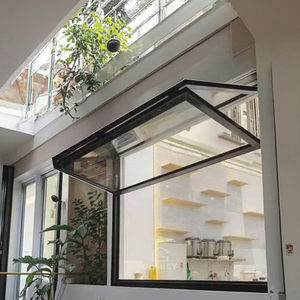
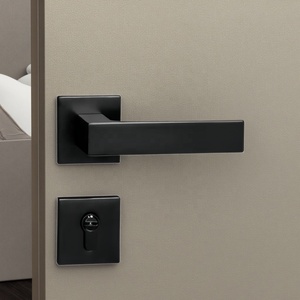
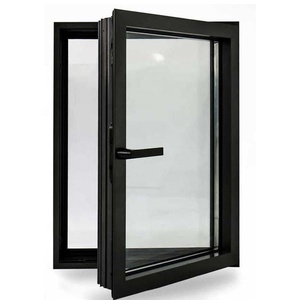
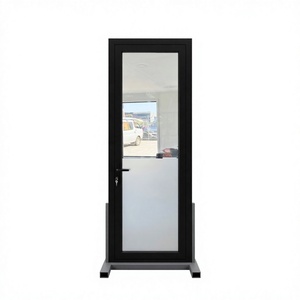
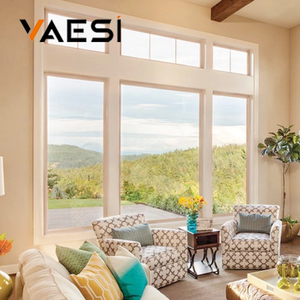
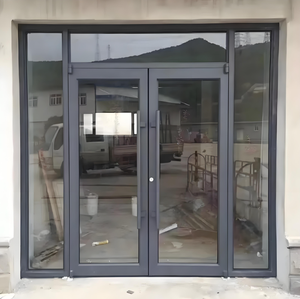
Architectural Fenestration in Modern Outbuilding Construction
Understanding CE Certification (EN 14351-1), Structural Integrity, and Thermal Performance Mandates for Global B2B Supply Chains.
The global construction market is undergoing a structural paradigm shift regarding outbuildings, prefabricated garden studios, agricultural storage sheds, and accessory dwelling units (ADUs). Historically treated as rudimentary utility shelters, modern shed structures now demand architectural-grade environmental control, robust weatherproofing, and strict regulatory compliance. Central to this evolution is the specification of CE certified aluminum shed windows.
For B2B procurement managers, real estate developers, and building material importers, sourcing window assemblies directly from accredited Chinese manufacturing hubs requires an in-depth understanding of compliance framework EN 14351-1 (the European standard for windows and external pedestrian doorsets). CE marking is not merely a export logo; it represents verified factory production control (FPC), initial type testing (ITT) for air permeability, water tightness, wind load resistance, and thermal transmittance ($U$-value).
Targeted Product Recommendations by Application Intent
Different shed typologies demand tailored window configurations based on ventilation requirements, security risk profiles, and structural load constraints. Below are the primary engineering classifications specified by professional B2B buyers:
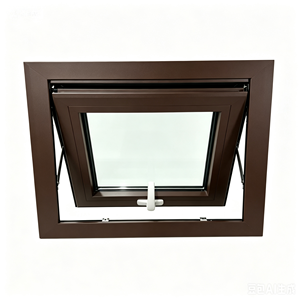
1. Outward Awning & Hopper Units
Designed primarily for high-wall installations in work sheds and equipment storage spaces. Awning windows feature a top-hinged sash that swings outward, allowing continuous ventilation during heavy precipitation without risk of rain ingress.
- Integrated multi-point stainless steel friction hinges.
- Double EPDM compression gaskets for watertight seal.
- Ideal for security-sensitive outbuildings.
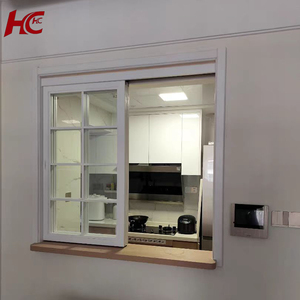
2. Ultra-Slim Horizontal Sliders
Where interior space optimization is paramount, horizontal sliding aluminum windows provide smooth glide performance on dual or triple tracks without encroaching on interior shelving or exterior pathways.
- Precision stainless steel roller assemblies (rated to 120kg).
- Concealed drainage channels preventing sill flooding.
- Compatible with removable fly screens.
3. Thermal Break Tilt-and-Turn Systems
The standard of European building engineering. Dual-action mechanisms allow the window to tilt inward at the top for secure draft-free ventilation or swing inward 90 degrees for effortless cleaning and maximum airflow.
- Polyamide PA66 thermal barrier strip insulation.
- Compatible with double and triple Low-E argon insulated glass units.
- Superior acoustic attenuation up to 42 dB.
Technical Specification Matrix: Material Comparison
Selecting the optimal framing substrate directly impacts long-term capital expenditure, structural lifecycle, and CE compliance metrics. The matrix below contrasts extruded aluminum against legacy vinyl (uPVC) and structural timber for shed applications.
| Performance Parameter | Extruded Aluminum (6063-T5) | Unplasticized PVC (uPVC) | Engineered Timber |
|---|---|---|---|
| Structural Tensile Strength | High (≥ 160 MPa) - Supports large structural glass panes | Low (40-50 MPa) - Prone to deflection under wind load | Medium (Varies by species & moisture content) |
| Frame Profile Depth & Sightlines | Ultra-Slim (Sightline from 38mm) | Bulky/Thick (Sightline 70mm+) | Moderate to Thick |
| CE Certification Integrity (EN 14351-1) | Exceeds Class 4 Air Permeability & E1050 Water Tightness | Deforms over time; air leakage increases after 3-5 yrs | Requires regular maintenance to retain weather seals |
| Thermal Expansion Coeff. | 23.4 × 10⁻⁶ / K (Predictable joint design) | 50-80 × 10⁻⁶ / K (High risk of frame jamming) | Low, but subject to hygroscopic expansion/warping |
| Surface Finish Lifespan | 25+ Years (Qualicoat Powder Coating / Anodized) | 10-15 Years (Prone to UV yellowing & embrittlement) | 3-5 Years (Requires repainting/resealing) |
| Environmental & Fire Rating | 100% Recyclable; Non-combustible (A1 Class) | Difficult to recycle; releases Toxic Halogens in fire | Combustible unless flame-retardant treated |
Future Procurement Trends in Industrial & Residential Shed Fenestration
Strategic insights for global importers, OEM brands, and enterprise project sourcing directors navigating the 2026-2030 supply chain landscape.
Trend 1: Prefabricated Off-Site Modular Integration
Modern shed construction relies heavily on off-site panelized manufacturing. Factory-direct suppliers must now deliver window frames engineered with sub-frame flange profiles, nail fins, and integrated flashing channels. This allows shed manufacturers to dry-in structural wall panels on automated assembly lines, cutting field installation times by over 65%.
Trend 2: Carbon Neutrality & Decarbonized Aluminum Sourcing
European and North American regulatory mandates require transparent Environmental Product Declarations (EPDs). Leading Chinese factories are adopting low-carbon primary aluminum smelted using hydroelectric energy, combined with high-recycled-content aluminum billets. Sourcing CE marked windows with certified EPD documentation ensures compliance with incoming EU Carbon Border Adjustment Mechanisms (CBAM).
Trend 3: Solar-Control & High-Performance Acoustic Glazing
As sheds transform into home offices, music studios, and high-tech workshops, basic single-pane glass is obsolete. The market demands double-glazed units incorporating Low-Emissivity (Low-E) soft coatings, Argon gas filling (90%+ purity), and laminated acoustic PVB interlayers. This setup controls solar heat gain (SHGC < 0.28) while maintaining serene acoustic interiors.
Trend 4: Smart Factory Automation & Direct OEM Customization
Customization is no longer a luxury—it is a supply chain requirement. Leading B2B factories utilize CNC 5-axis machining centers integrated with BIM/CAD software to execute customer-specific dimensions, custom RAL powder coat colors, and anti-corrosion marine-grade anodizing with zero MOQ penalties on standard profile extrusions.
Vexis Windows & Doors Co., Ltd.
Your Direct Manufacturing Partner in Foshan, Guangdong, China. Integrating advanced R&D, precision extrusion machining, automated glazing lines, and strict international export QA protocols under one roof.
- 30,000 m² Production Base: Equipped with automated cutting, corner-crimping, and CNC milling machinery.
- 1,500 m² Immersive Exhibition Hall: Full-scale product display showcasing extreme weather testing setups.
- Global Supply Footprint: Trusted by developers, contractors, and building material suppliers across 154+ countries.
- CE & ISO Compliance: Full compliance documentation, mill test certificates, and lab test reports for smooth customs clearance.
- Complete Customization: Tailored frame extrusions, thermal barrier strips, glass specs, hardware finishes, and OEM branding.
Every batch undergoes strict structural load testing, air-water tightness verification, and hardware cycle durability checks prior to container loading.
Frequently Asked Questions for Sourcing & Procurement
Essential technical and commercial insights for B2B buyers evaluating factory partners in China.
Ready to Elevate Your Supply Chain Efficiency?
Connect directly with our senior fenestration export engineers. Request complete product technical specification books, CE compliance reports, and factory-direct wholesale quotes today.