Engineering Product Showcase
Explore our factory-direct, CE-compliant hurricane-impact glass windows and thermal break architectural door systems engineered for extreme climatic resilience.
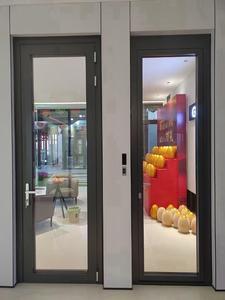
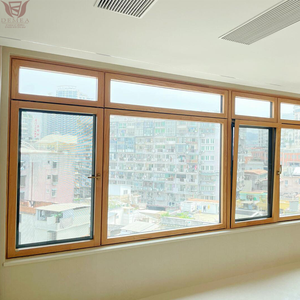
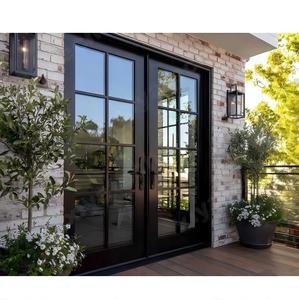
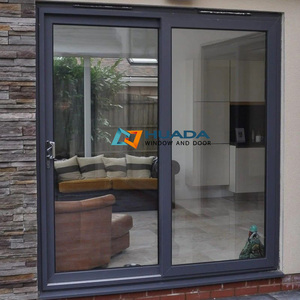
1. Technical Engineering & CE Harmonized Compliance Standards
In modern architectural engineering, specifying external fenestration for high-rise residential towers, coastal resorts, and luxury commercial developments requires absolute compliance with European Union harmonized standards. The standard EN 14351-1 defines the essential performance characteristics for windows and external pedestrian doorsets, establishing strict benchmarks for air permeability, water tightness, wind load resistance, and thermal transmittance (U-value).
As a premiere OEM/ODM manufacturer of CE-certified aluminum impact windows, our production ecosystem integrates verified material selection, structural thermal break engineering, and advanced laminated safety glass configurations to resist cyclic wind fatigue, hydrostatic pressure, and heavy mechanical impacts.
Key CE Test Parameters & Structural Benchmarks
- Structural Wind Load Resistance (EN 12210): Certified up to Class C5/B5 (P1 test load reaching 2000 Pa, with ultimate limit state testing exceeding 3000 Pa). Frame deflection is strictly controlled within L/300 of the unsupported span.
- Watertightness Under Pressure (EN 12208): Achieving Class E1050 (1050 Pa static water pressure without penetration), utilizing continuous multi-layer EPDM seals and concealed pressure-equalized drainage slots.
- Air Permeability (EN 12207): Rated at Class 4 (maximum air tightness), preventing ambient air infiltration and drastically reducing HVAC energy loss in extreme climates.
- Safety Glazing & Impact Resistance (EN 12600 & EN 356): Engineered with multi-layer SentryGlas® (SGP) or PVB laminated tempered glass. Under high-mass pendulum impact (Class 1B1) and missile impact tests, the structural glass envelope remains intact without frame detachment.
Information Gain Insight: Unlike standard annealed or basic PVB laminated windows, hurricane-impact aluminum systems utilizing DuPont SentryGlas® (SGP) interlayers exhibit five times the tear strength and 100 times the rigidity of conventional plastic interlayers. This allows the glass unit to maintain structural barrier protection even if both glass panes are fractured during severe windstorms or forced-entry attempts.
Performance Matrix: Structural Specifications by System Type
| System Architecture | Aluminum Profile Alloy | Thermal Break Insert | Max Wind Load (Pa) | Acoustic Insulation (Rw) | U-Factor (W/m²K) |
|---|---|---|---|---|---|
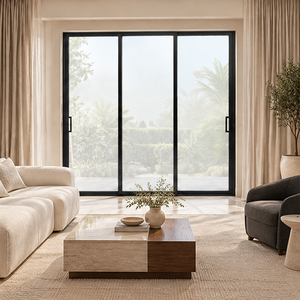
| Heavy-Duty Lift & Slide Door | 6063-T6 / 6060-T66 | PA66-GF25 Polyamide (34mm) | 2400 - 3000 Pa | 42 dB - 46 dB | 1.3 - 1.6 |
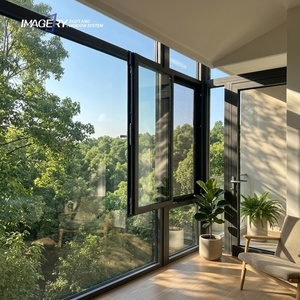
| Impact Casement Window | 6063-T6 High-Precision | PA66-GF25 Multi-Chamber | 3000 Pa (Class C5) | 40 dB - 48 dB | 1.0 - 1.4 |
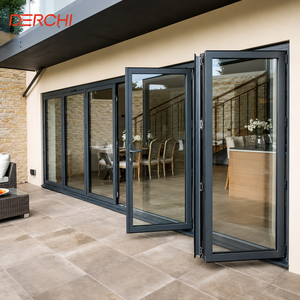
| Thermal Break Bifold Patio Door | 6063-T6 Architectural | PA66-GF25 Polyamide (24mm) | 2000 - 2500 Pa | 38 dB - 42 dB | 1.4 - 1.8 |
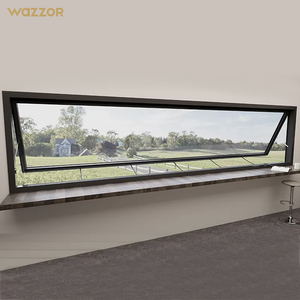
| Top-Out Awning Window | 6063-T6 Industrial | PA66-GF25 Reinforced Strip | 2200 - 2800 Pa | 36 dB - 44 dB | 1.2 - 1.5 |
2. Global Procurement & Architectural Sourcing Trends (2025–2030)
The global market for structural aluminum fenestration is undergoing a radical paradigm shift driven by stringent decarbonization targets, near-zero energy building (NZEB) mandates, and climate-induced extreme weather occurrences. Sourcing directors, real estate developers, and facade contractors must navigate several critical technological shifts when procuring impact windows and door systems:
A. Ultra-Slim Sightlines Paired with High Structural Loads
Modern architectural language favors maximal natural daylighting and uninterrupted panoramic views. Consequently, demand has surged for ultra-slim interlocks (sightlines as narrow as 21mm to 25mm) capable of supporting large-span insulated glass units (IGUs) weighing up to 400 kg per panel. Achieving structural integrity with minimal frame profiles necessitates 6063-T6 architectural aluminum alloy extruded to high-wall thickness tolerances (2.0mm to 3.0mm primary wall thickness).
B. Decarbonization & Low-Carbon Aluminum Extrusions
European and North American procurement protocols increasingly evaluate the embodied carbon of facade components. Manufacturers utilizing primary aluminum smelted via renewable hydro-electric power—coupled with high thermal efficiency polyamides—are prioritized in international green building tenders (LEED v4.1, BREEAM, and DGNB certifications).
C. Integrated Thermal Performance & Passive House Capabilities
With global energy codes tightening U-value allowances, dual and triple-glazed impact windows featuring Low-Emissivity (Low-E) pyrolytic coatings, warm-edge composite spacers, and 90%+ Argon gas fill ratios have moved from luxury upgrades to baseline project specifications. Multi-chamber thermal break profiles filled with polyurethane insulation foam allow system U-values to drop below 1.1 W/m²K.
3. Product Engineering Evolution: Structural Bonding & Hardware Innovation
The transition from traditional mechanical fast assembly to automated structural silicone glazing (SSG) represents one of the most critical engineering advancements in modern window manufacturing. Structural sealant technology (utilizing two-component silicone sealants from Dow Corning or Sika) transfers wind loads directly from the glass panel to the aluminum sash profile, eliminating localized stress points and significantly elevating impact resistance during typhoon conditions.
Key Manufacturing Evolution Highlights:
- Corner Crimping with Injection Resin: Precision 45-degree aluminum corner joints are no longer merely screwed or pinned. Advanced robotic corner crimping machines inject dual-component structural corner adhesive into internal chambers, creating an airtight, watertight bond that prevents micro-sagging over decades of continuous operation.
- Gas-Strut Hydraulic Awning Dynamics: For wide-format awning windows in commercial and outdoor dining spaces, heavy-duty marine-grade stainless steel gas struts provide effortless, smooth open-and-hold opening dynamics, even under severe dead-weight glass loads.
- Multi-Point Concealed Locking Gears: Modern impact windows utilize perimeter multi-point gearboxes (e.g., German Siegenia, Hoppe, or Sobinco hardware) with mushroom head locking studs. This engineering deters mechanical forced entry while maintaining uniform gasket compression across the entire window frame perimeter.
4. Factory Capabilities & Corporate Advantage
Headquartered in Foshan, Guangdong—China's global epicenter for advanced architectural aluminum production—Vexis Windows & Doors Co., Ltd. stands as a factory-direct manufacturer integrating custom R&D, structural engineering, precision fabrication, and international export logistics.
30,000 m² Production Base
Equipped with fully automated CNC cutting centers, double-head precision mitre saws, and automated insulating glass production lines capable of high-volume export fulfillment.
154+ Export Countries
Over two decades of experience navigating strict customs compliance, structural jobsite shop drawings, and regional wind-load requirements in North America, Australia, Europe, and Asia-Pacific.
Full CE & ISO Certification
Third-party tested and verified performance documentation (EN 14351-1, EN 12600, ISO 9001) supporting seamless project submittals for tender approvals.
1,500 m² Immersive Showroom
Complete physical testing setup and architectural mock-up facilities in Foshan allowing overseas clients to inspect thermal profiles, hardware operation, and glass finishes.
Custom CAD / BIM Support
Dedicated technical engineering team providing shop drawings, wind-load calculation reports, and structural elevation drawings for quick jobsite integration.
Export Crating & Logistics
Reinforced fumigated wooden cases, edge protectors, and waterproof plastic film wrapping ensure zero-breakage ocean freight transport.
5. Technical Sourcing FAQ for Importers & Contractors
Below are authoritative responses to common engineering and commercial queries encountered during international fenestration procurement.
Request Engineering Consultation & Wholesale Quotation
Partner directly with Foshan's leading manufacturer of CE certified aluminum impact windows and structural door systems. Contact our engineering export team for custom shop drawings and project pricing within 24 hours.
Contact Us