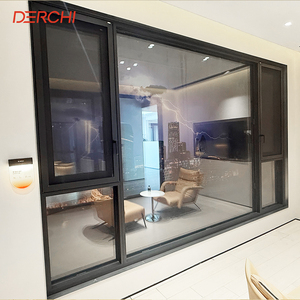
Certified Architectural Portfolio
Featured Aluminium Grille Window Systems
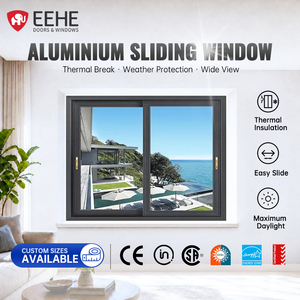
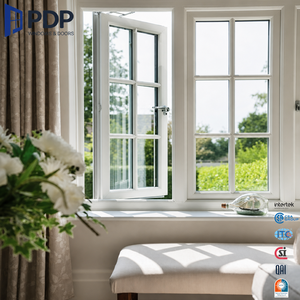
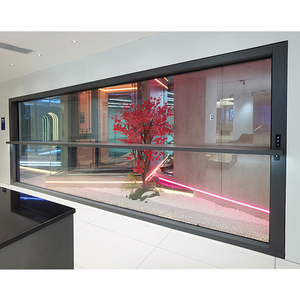
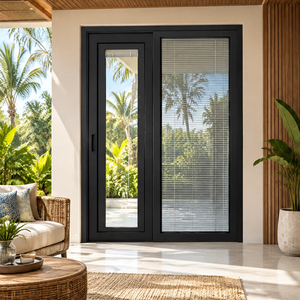
Explore factory-direct OEM/ODM thermal break casement, sliding, and motorized guillotine systems with decorative and structural safety grilles for global commercial and luxury residential projects.
20+
Years R&D Experience
154+
Export Destination Markets
30,000m²
Modern Production Base
EN 14351-1
CE Standard Certification
Compliance & Quality Engineering
CE Certification Standards for Aluminium Grille Windows
Understanding European Norm EN 14351-1 compliance criteria for architectural windows and external pedestrian doorsets.
Wind Load Resistance
CE certification evaluates structural deflection under pressure. Windows engineered with high-tensile 6063-T5/T6 aluminum profiles withstand extreme pressure (Class C5/B5 up to 2000 Pa), preventing frame distortion or structural grid collapse under storm forces.
Water Tightness Performance
Tested under dynamic water sprays and pressure differentials. Certified grille window assemblies feature continuous multi-channel EPDM gasket seals and concealed drainage channels, achieving Watertightness ratings up to Class E900 (900 Pa uninterrupted exposure).
Thermal Transmittance (U-Value)
Energy efficiency compliance requires thermal break profiles utilizing polyamide PA66GF25 structural insulation strips. Combined with Low-E double or triple glazing, total window U-values achieve optimal performance below 1.4 W/(m²·K).
CE Marking Technical Documentation & CPR Compliance
Under the European Construction Products Regulation (CPR No 305/2011), importing aluminum grille windows into the European Economic Area requires a verified Declaration of Performance (DoP) and Factory Production Control (FPC) audit log. Importers must ensure that decorative grilles (Internal GBG or external SDDL) do not create thermal bridges or obstruct drainage weep holes.
Acoustic Insulation (EN ISO 717-1)
Integrated grilles paired with asymmetric laminated acoustic glass achieve Sound Transmission Class (STC) ratings from 38 dB to 45 dB, filtering urban noise pollution effectively.
Burglar Resistance (EN 1627 RC2/RC3)
Engineered structural aluminum grilles serve dual roles: architectural aesthetics and security. Stainless steel mesh or solid alloy grille bars resist mechanical break-in tools up to Class RC3.
Structural Design & Technology
Engineering Anatomy of Aluminium Grille Window Systems
A detailed look at profile alloys, grille insertion mechanisms, surface treatments, and glazing configurations.
1. Profile Alloy & Extrusion Engineering
Modern grille windows utilize high-precision 6063-T5 or T6 architectural aluminum extrusions with wall thicknesses ranging from 1.4mm to 3.0mm depending on wind load calculations. Thermal break profiles insert high-density Polyamide PA66 reinforced with 25% fiberglass (PA66GF25) between interior and exterior aluminum chambers, stopping conductive heat transfer and eliminating interior condensation.
2. Architectural Grille Design Classifications
Grilles are categorized by installation methodology and visual effect:
- GBG (Grilles Between Glass): Decorative aluminum bars suspended inside the hermetically sealed insulated glass unit. Prevents dust accumulation and simplifies glass cleaning.
- SDDL (Simulated Divided Lite): Surface-mounted aluminum mullion bars adhered to the exterior and interior glass faces with high-bond structural tape, combined with an internal spacer bar for an authentic multi-pane aesthetic.
- Integrated Security Grille Bars: Heavy-duty solid aluminum or stainless steel security bars integrated directly into the window outer frame, paired with high-tensile fly screens.
3. Surface Finishes & Corrosion Resistance
To maintain structural integrity in coastal marine or harsh chemical environments, factory finishing standards require stringent surface treatments:
- Qualicoat Class 2 Architectural Powder Coating: Fluorocarbon (PVDF) electrostatic spraying providing high UV stability, color retention, and resistance to salt spray up to 3,000 hours (ASTM B117).
- Anodized Finishes: Electro-chemical oxide layer (15–25 microns thick) offering metallic luster, superior scratch hardness, and chemical resistance.
- 3D Grain Heat-Transfer Technology: Wood-grain powder coating offering traditional timber aesthetics with modern aluminum durability.
4. Hardware & Multi-Point Lock Systems
CE-certified window systems integrate European standard groove hardware (such as Siegenia, Hoppe, or CMECH). Multi-point mushroom cam locks distribute locking force evenly around the perimeter frame, compressing EPDM weatherstripping gaskets to deliver air tightness (Class 4 EN 12207) and resisting leverage attacks.
Global Market Outlook
Future Sourcing & Procurement Trends in Grille Windows
Key technological shifts driving global B2B procurement, building codes, and architectural specifications.
Ultra-Slim Sightlines & Panoramic Framing
Architectural demand is moving toward ultra-narrow interlock profiles (as small as 20mm to 35mm sightlines) combined with minimalist geometric grilles. Buyers prioritize maximum natural daylight and seamless transition between indoors and outdoor landscapes.
Motorized Guillotine & Smart Automation
Remote-controlled vertical sliding guillotine systems integrated with smart building management systems (BMS), wind/rain sensors, and motorized security grilles are gaining traction in high-end commercial terraces, restaurants, and villas.
Low-Carbon & Recycled Aluminum Profiles
Driven by EU Green Deal mandates and LEED certification requirements, global buyers demand manufacturers utilizing low-carbon hydroelectric-smelted or recycled post-consumer aluminum billet to reduce scope 3 embodied carbon emissions.
Technical Matrix
System Comparison & Engineering Specifications
Comparative analysis of major aluminium grille window operating types for project selection.
| Window System Type | Thermal U-Value Range | Acoustic Rating (STC) | Air / Water Sealing | Grille Integration Options | Primary Application |
|---|---|---|---|---|---|
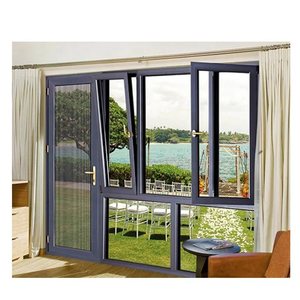
| French Casement Window | 1.2 – 1.6 W/m²K | 40 – 45 dB | Class 4 Air / E900 Water | GBG, SDDL, Decorative Louver | Luxury Villas, Heritage Buildings |
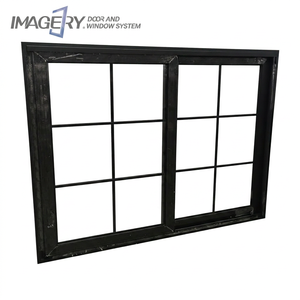
| Sliding Grille Window | 1.6 – 2.0 W/m²K | 32 – 38 dB | Class 3 Air / 450Pa Water | Internal GBG, Stainless Fly Screen | High-rise Apartments, Balconies |
| Crank-Out Casement | 1.3 – 1.7 W/m²K | 38 – 42 dB | Class 4 Air / 750Pa Water | Colonial Grilles, Prairie Design | North American Modern Residences |
| Motorized Guillotine | 1.8 – 2.2 W/m²K | 30 – 35 dB | Class 2 Air / 300Pa Water | Horizontal Aluminum Louver Grille | Commercial Balconies, Patio Bars |
| Tilt & Turn Window | 1.0 – 1.4 W/m²K | 42 – 48 dB | Class 4 Air / E1050 Water | SDDL, Laser-Cut Custom Grilles | Passive Houses, High-Wind Zones |
Factory Competence
Why Partner with Our Foshan Production Base?
Direct factory supply chain advantages, international engineering compliance, and bespoke fabrication capabilities.
30,000 m² Integrated Manufacturing Hub
Located in Lishui Town, Foshan (Guangdong, China), our state-of-the-art facility integrates automated aluminum profile cutting, CNC corner crimping, double glass assembly lines, and rigorous quality inspection stations.
154+ Global Destination Markets
With over two decades of international trade expertise, our products are engineered to conform with regional building regulations across North America, Europe, Australia, the Middle East, and Southeast Asia.
Full Customization & BIM Support
From architectural CAD drawings to 3D BIM models, our engineering team works directly with architects and developers to customize glass build-ups, frame profiles, custom grille layouts, and hardware finishes.
Sourcing Guidance
Frequently Asked Questions for Global Procurement
Clear, authoritative answers to technical, logistical, and compliance questions asked by commercial importers and builders.
What specific CE testing reports are required for importing aluminum grille windows into the EU? ▼
Under EN 14351-1, window units must possess Type Testing Reports (Initial Type Testing - ITT) issued by an accredited notified laboratory. Testing covers Air Permeability (EN 12207), Watertightness (EN 12208), Wind Load Deflection (EN 12210), Thermal Transmittance calculation (EN ISO 10077), and Load-bearing Capacity of Safety Devices. A valid Declaration of Performance (DoP) and CE mark labels must accompany export shipments.
How do internal grilles (GBG) affect the U-value and thermal performance of double-glazed units? ▼
Grilles Between Glass (GBG) are positioned inside the sealed gas cavity. While aluminum bars have high thermal conductivity, modern GBG designs utilize thermal breaks or non-metallic polymer connectors where they meet spacer bars. When combined with 90% Argon gas fill and Low-E glass coatings, thermal performance loss is negligible (less than 0.05 W/m²K difference), while providing zero maintenance benefits.
Can grille windows be certified for hurricane impact zones (ASTM E1996 / TAS 201)? ▼
Yes. For coastal storm-prone regions (such as Florida, Caribbean, or coastal Asia), windows are constructed using heavy-duty 2.0mm–3.0mm wall thickness aluminum frames and laminated safety glass (e.g., 6mm Tempered + 1.52mm PVB/SGP interlayer + 6mm Tempered). Structural grilles can be anchored to the frame sub-assembly to pass large missile impact tests.
What is the standard lead time for OEM custom aluminum grille window orders? ▼
Standard production lead time for factory-customized aluminum grille windows is typically 25 to 35 calendar days following shop drawing approval and deposit receipt. Specialized architectural powder coatings (e.g., custom RAL colors or metallic PVDF finishes) may require an additional 5-7 working days for profile coating batching and testing.
How are products packaged to prevent damage during ocean freight shipment? ▼
All windows undergo a 5-layer protective packaging sequence: 1) Protective anti-scratch film on aluminum profiles; 2) PE foam corner protection covers; 3) Waterproof plastic shrink wrap around the frame assembly; 4) Thick corrugated cardboard casing; and 5) Fumigated solid wooden crates or steel A-frame racks for safe container loading and unloading via forklift.
What detailed architectural drawings or specifications should buyers submit for a quotation? ▼
To receive an accurate factory quotation, buyers should provide: 1) Window schedules or CAD elevation drawings showing rough opening dimensions; 2) Preferred opening mechanism (casement, sliding, tilt & turn, guillotine); 3) Glass configuration requirements (single, double, triple, Low-E, laminated); 4) Desired grille style (GBG, SDDL, integrated security bars); 5) Frame powder coating color code (RAL system); and 6) Target delivery port.
Request Technical Engineering Support & Factory Quote
Direct sourcing solutions for developers, architects, and window importers worldwide. Receive factory-direct pricing, shop drawing evaluations, and CE certification documentation within 24 hours.