0%

Why Choose Aluminum Windows for Global Projects? begins with a practical question: can one window system perform reliably across different climates, codes, and construction cultures?

Aluminum Window systems offer a strong answer because they combine structural stability, design flexibility, and long service life. In a coastal project, properly finished frames can resist moisture and salt exposure. In a high-rise building, slim profiles can support broad glass areas without overwhelming the façade. Thermal breaks also reduce heat transfer, although their quality depends on design, installation, and local climate calculations. Small details matter.

Heidi Brock, President and CEO of The Aluminum Association, has stated, “Aluminum is infinitely recyclable without loss of properties.” This principle strengthens the material’s sustainability case. Recycled content, environmental product declarations, and responsible manufacturing can support credible project documentation. Yet sustainability claims should be verified, not simply printed in a brochure.

Global experience shows that performance depends on more than the frame itself. Drainage paths, gaskets, fasteners, glazing selection, and onsite tolerances can change the final result. A beautiful Aluminum Window may still fail if installers ignore water management. That is an uncomfortable reality.

No material is perfect. Aluminum production requires significant energy, and poor thermal design can increase building loads. Therefore, engineers should compare lifecycle performance, local regulations, maintenance needs, and supplier capability. When these factors are reviewed honestly, aluminum windows become more than a visual choice. They become a dependable façade component for demanding international projects.
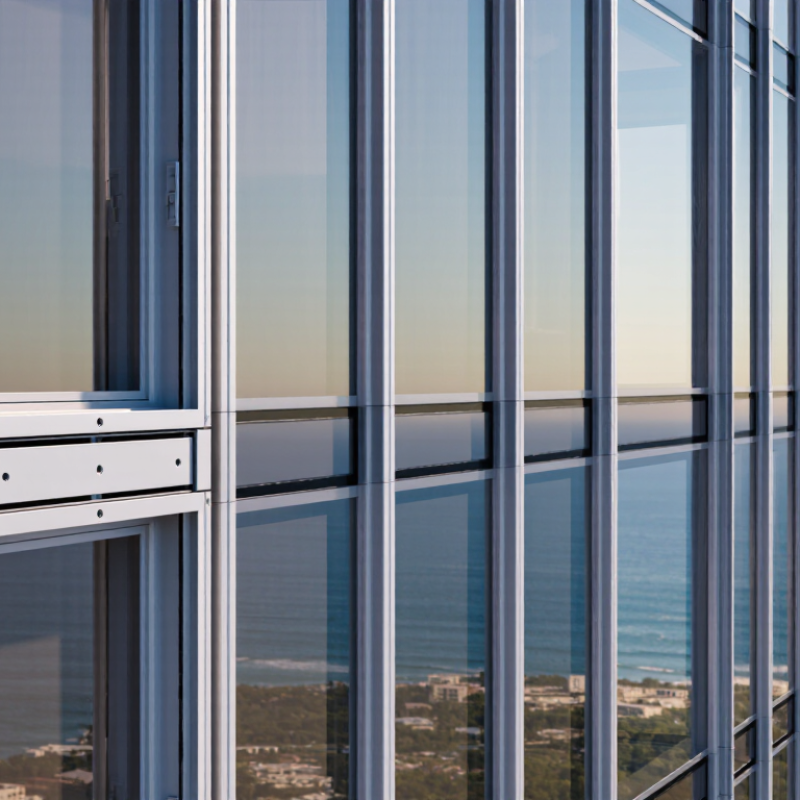
Why Choose Aluminum Windows for Global Projects?

What Are Aluminum Windows and How Do They Work?

Aluminum windows combine a lightweight frame, glass panels, seals, hardware, and drainage paths. The aluminum profile holds the glazing securely while transferring wind loads to the surrounding wall. Hinges, rollers, or friction stays control movement. Gaskets reduce air and water leakage.

A thermal break changes the frame’s performance. It separates the exterior aluminum from the interior section, usually with a low-conductivity polyamide strip. This limits direct heat transfer across the frame. Low-emissivity glass and insulated glazing units add another layer of control. Proper drainage channels guide rainwater outside, even when pressure builds inside the frame.

The material is not automatically efficient. Poor detailing can still create cold edges, condensation, or air leakage. The 2023 Global Status Report for Buildings and Construction states that buildings consumed about 30% of global final energy in 2022. Window design matters within that larger problem. The International Aluminium Institute reports that recycled aluminum requires about 5% of the energy used for primary aluminum production. However, recycled content alone does not guarantee good performance. Project teams should verify U-values, solar heat-gain coefficients, air leakage, water resistance, and local wind-load requirements. Site tolerances also matter. A technically strong window can fail after careless installation.

Why Choose Aluminum Windows for Global Projects?

How Material Conductivity Relates to Window Design

Aluminum is strong and lightweight, making it suitable for slim window frames and large glazing areas. It also conducts heat much more readily than uPVC or wood. Aluminum windows therefore commonly use a thermal break—a low-conductivity section between the inner and outer frame—to reduce heat transfer. Actual window insulation depends on the complete design, glazing, seals, and installation.

Approximate reference values for the materials themselves; thermal conductivity is measured in watts per metre-kelvin (W/m·K). Values vary by alloy, formulation, and wood species.

Why Are Aluminum Windows Suitable for Global Building Projects?

Aluminum windows suit global building projects because they combine a slim profile with strong support for large glass panels. This helps designers bring daylight into offices, homes, and public buildings without bulky frames. The material is also lightweight relative to its strength, which can ease handling and installation across varied project sites.

Useful in many climates.

But the frame alone does not determine energy performance. Thermal breaks, glazing, seals, and installation quality matter just as much.

That detail matters as buildings face pressure to reduce energy use. UNEP and the Global Alliance for Buildings and Construction reported that buildings and construction produced 37% of global energy- and process-related CO2 emissions in 2022. Well-specified window systems can help limit heat transfer, though results depend on climate and building design.

Aluminum also supports circular material use: the International Aluminium Institute reports that recycling aluminum uses about 95% less energy than producing primary aluminum. Recovery is not automatic; projects need practical collection and recycling routes.

In coastal areas, suitable finishes and maintenance plans help address corrosion, while cold or hot climates call for carefully selected thermal breaks and glazing. Small specification choices matter. A weak seal can undermine an otherwise capable frame.

How Do Aluminum Windows Perform in Different Climates?

Aluminum windows can serve projects in hot, cold, humid, and windy regions, but climate performance depends on the complete window system. In hot climates, thermally broken frames reduce heat transfer through the metal. Pairing them with suitable glazing can also limit unwanted solar heat. Dark frames may become hot in direct sun, so shading and glass selection deserve attention.

In cold regions, thermal breaks and well-designed seals help reduce drafts and interior condensation. Yet no frame can compensate for poor installation. Moisture trapped around the opening may damage surrounding materials over time. Small details matter. In coastal or humid areas, protective finishes and clear drainage paths help manage salt, rain, and persistent moisture. Inspect corners and sill channels; debris can block drainage.

In storm-prone locations, frame strength, hardware, glazing, and installation must match local wind and rain exposure. Aluminum is dimensionally stable, though it expands and contracts as temperatures change. That movement is usually manageable when the system is properly designed, but it should not be ignored. A practical specification starts with site conditions, not a generic product description. Even then, field performance can differ from laboratory ratings—a detail project teams sometimes underestimate.

What Design, Safety, and Sustainability Benefits Do They Offer?

Aluminum windows give architects room to shape clean, narrow sightlines without sacrificing frame strength. That can bring more daylight into offices, homes, and public buildings. Finishes and profiles can also be adapted to different façade designs. Details matter. Thermal breaks help limit heat transfer through the frame, while suitable glazing supports indoor comfort. Performance still depends on the complete window assembly, not the frame alone.

Safety depends on careful specification. Glass type, locking hardware, opening limits, and installation all affect how a window performs. In high-traffic areas, laminated or toughened safety glass may be appropriate, subject to project requirements. Wind loads vary between exposed coastal sites and sheltered urban streets. A qualified project team should check tested system data against the building’s location and use. Good drawings help, but site installation can still fall short.

Aluminum is durable and can be recycled, making it useful for projects planned for long service lives. A well-designed thermal break may also reduce energy loss, though actual results depend on glazing, shading, and workmanship. There is a trade-off: producing primary aluminum requires substantial energy. Ask for credible material and environmental data, and consider recycled content where suitable. Recycling is not automatic; local recovery systems and careful separation matter.

What Factors Should Buyers Consider Before Choosing Aluminum Windows?

Why Choose Aluminum Windows for Global Projects?

Choosing aluminum windows for a global project starts with climate, building use, and verified performance—not frame appearance alone. Check the whole window’s U-factor and solar heat gain coefficient, then match them to local temperatures, sun exposure, and cooling needs.

The U.S. Department of Energy estimates that windows account for 25–30% of residential heating and cooling energy use. That figure is specific to U.S. homes, but it shows why glazing and frame design matter. The International Energy Agency’s 2023 buildings report also estimates that building operations produced 26% of global energy-related emissions in 2022.

What Factors Should Buyers Consider Before Choosing Aluminum Windows?

Ask for test results for the complete window assembly, including glass, frame, seals, and hardware. Thermal breaks can reduce heat transfer through aluminum frames, while suitable coatings and drainage details help address condensation and heavy rain. For coastal sites, request evidence of corrosion-resistant finishes and check whether the hardware suits frequent use.

Confirm dimensions, installation tolerances, replacement-part availability, and delivery schedules before approving specifications.

I would not assume one specification works everywhere; local exposure can change the details.

Tips: Compare certified test data, not just brochure claims. Check sample corners, gasket fit, and finish under natural light. Details matter. Keep written records of approved specifications and installation requirements.

FAQS

Why are aluminum windows suitable for international building projects?

They offer slim frames, strong support, and large glass areas. This can increase daylight in homes, offices, and public buildings. The material is relatively lightweight. That may simplify handling on busy sites.

Do aluminum windows perform well in hot climates?

They can, when the complete system is specified correctly. Thermal breaks reduce heat transfer through the frame. Suitable glazing and exterior shading can limit solar heat. Dark frames may become very hot under direct sunlight.

How can aluminum windows support cold-climate performance?

Thermal breaks and reliable seals help reduce drafts and condensation. Installation quality remains critical. Moisture around the opening can damage nearby materials. A strong frame cannot repair a weak installation.

Are aluminum windows suitable for coastal or humid locations?

They can be suitable with protective finishes and clear drainage paths. Salt, rain, and persistent moisture require regular attention. Inspect sill channels and corners for trapped debris. Blocked drainage causes trouble.

Can aluminum windows handle strong wind and heavy rain?

Performance depends on frame strength, hardware, glazing, and installation. These parts should match local wind and rain exposure. Exposed coastal sites need different checks than sheltered streets. Laboratory ratings may not reflect every site condition.

What design benefits do aluminum windows provide?

Narrow sightlines can create a cleaner façade and brighter interior. Profiles and finishes can suit different architectural styles. Large glass panels may improve views and daylight. The frame is only one part of the design.

How do aluminum windows support building safety?

Glass type, locks, opening limits, and installation all affect safety. Laminated or toughened glass may suit busy areas. Project teams should review tested data for the building’s location and use. Good drawings do not guarantee good site work.

Are aluminum windows a sustainable choice?

Aluminum can last for many years and can be recycled. Recycling uses about 95% less energy than producing primary aluminum. Recovery requires local collection routes and careful material separation. Primary production still carries a heavy energy cost. That trade-off deserves attention.

Conclusion

Aluminum windows are built with lightweight, strong frames that hold glazing in place and allow smooth opening, closing, and ventilation. Their strength makes them suitable for projects of different sizes, while their relatively slim profiles can support generous glass areas and flexible architectural designs. With appropriate finishes, glazing, seals, and installation, they can be specified for a range of climates, helping manage heat, wind, moisture, and everyday weather exposure.

For global building projects, an Aluminum Window can offer a practical balance of durability, design freedom, and recyclability. Buyers should assess local climate conditions, thermal and acoustic needs, safety requirements, maintenance expectations, frame and glass specifications, installation quality, and total project cost before choosing a system. Matching these factors to the building’s purpose helps ensure the windows perform reliably while supporting comfort, appearance, and long-term sustainability.

Evelyn

Evelyn

Evelyn is a highly experienced marketing professional dedicated to helping customers better understand innovative products, practical solutions, and evolving industry trends. With a strong knowledge of the company’s product portfolio, she combines professional insight with clear, engaging......