0%

Choosing among the 10 Best Aluminium Sliding Doors for Global Buyers requires more than comparing frame finishes. Climate, glazing, drainage, security, and installation quality can change daily performance. A slim black frame may look impressive, yet poor sealing can create drafts, water staining, and uncomfortable rooms.

The United Nations Environment Programme reports that buildings consume about 32% of global energy and produce roughly 34% of global carbon emissions. The International Energy Agency also identifies building envelopes as important areas for energy improvement. These findings make thermal breaks, low-emissivity glass, airtight seals, and responsible material sourcing practical buying considerations. They are not merely marketing phrases. Sometimes, however, product claims sound stronger than the evidence behind them.

Building-science expert Joseph Lstiburek offers a blunt reminder: “A window is a hole in the wall.” Aluminium Sliding Doors deserve the same scrutiny. Buyers should inspect air-permeability ratings, water-tightness tests, wind-load performance, drainage paths, hardware cycles, and replacement support. Local climate matters too. A coastal home needs corrosion resistance, while a cold region may require deeper thermal insulation and triple glazing.

This guide compares ten notable systems for different markets, budgets, and design priorities. It considers tested performance, user experience, installation complexity, warranty clarity, and supplier reliability. No ranking can suit every project. A door that performs beautifully in Melbourne may need different specifications in Toronto or Dubai. That limitation is worth remembering.
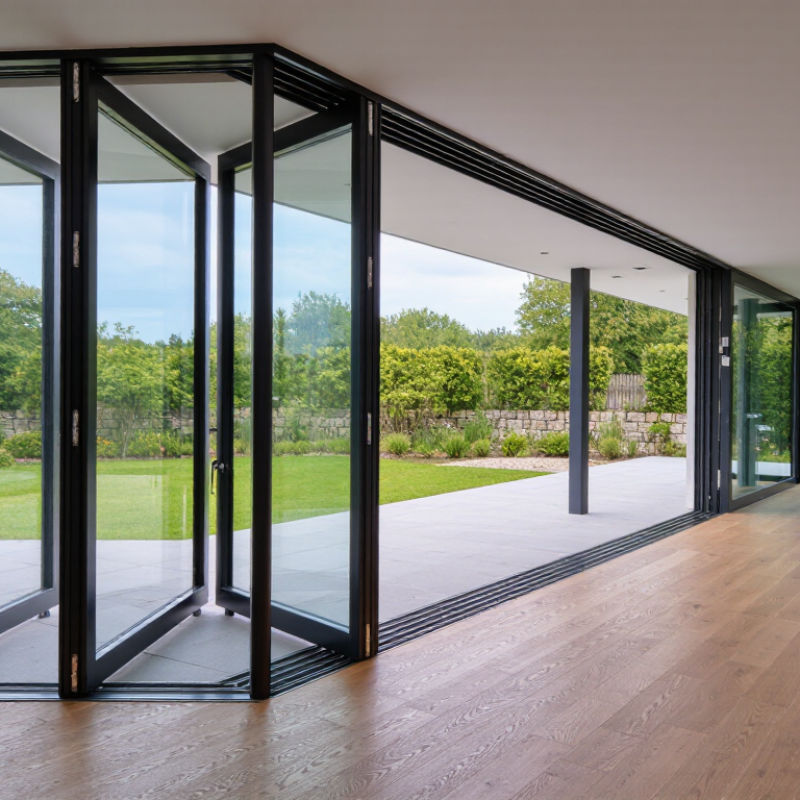
10 Best Aluminium Sliding Doors for Global Buyers

What Defines a High-Quality Aluminium Sliding Door?

A high-quality aluminium sliding door should feel stable, quiet, and controlled during daily use. The frame needs a reliable thermal break, accurate corner joints, and a durable powder-coated or anodised finish. These details reduce heat transfer and help resist coastal moisture. Look closely at the rollers. Stainless steel or similarly durable components should move smoothly without rattling. Proper drainage channels also matter, especially in regions with heavy rain.

Tips: Ask for tested air, water, and wind performance. Check the glass specification, gasket quality, and hardware warranty. Request installation drawings before ordering. Small gaps can cause major problems.

Good doors are not defined by appearance alone. A slim frame may look attractive, but poor reinforcement can lead to flexing over time. Low thresholds improve accessibility, yet they require careful drainage design. Experienced installers measure the opening several times because walls are rarely perfectly square. Even then, mistakes happen. A dependable supplier should explain tolerances, maintenance needs, replacement parts, and local climate suitability clearly. Buyers should also review independent test reports instead of trusting impressive sales language. A high-quality system is one that performs consistently after thousands of opening cycles, not merely one that looks excellent on delivery.

Which Aluminium Sliding Door Types Suit Different Building Needs?

Choosing among the 10 best aluminium sliding doors starts with the building’s actual demands. A lift-and-slide system suits wide openings and heavy glass, especially in villas or hotel terraces. Its raised rollers reduce operating effort. For apartments, a thermally broken sliding door can limit heat transfer across the frame. This matters in mixed climates. The U.S. Department of Energy reports that windows can represent 25–30% of residential heating and cooling energy use, so frame design deserves attention.

Multi-track doors create larger clear openings for restaurants, resorts, and luxury homes. However, they require accurate floor alignment and reliable drainage. A slim-frame system offers more daylight, but its smaller profiles may reduce load capacity or weather resistance. Coastal projects may need corrosion-resistant finishes and carefully specified fasteners. The UNEP 2023 Global Status Report states that buildings consumed about 30% of global final energy in 2022. Better glazing, airtight seals, and suitable thermal breaks can support lower operational demand.

Impact-rated sliding doors fit regions exposed to severe wind or flying debris, while acoustic systems suit homes near airports or busy roads. Pocket doors save visual space, but repairs become harder after installation. I once underestimated drainage depth on a renovation project; the frame looked excellent, yet water collected after heavy rain. That mistake still influences my specifications. A perfect door does not exist. Buyers should compare tested air infiltration, water resistance, wind-load results, thermal values, hardware cycles, and local code requirements before selecting a system.

How to Compare the 10 Best Aluminium Sliding Door Options

When comparing the 10 best aluminium sliding door options, start with the project, not the catalogue image. Measure the opening, wall depth, wind exposure, and drainage conditions. A coastal apartment needs stronger corrosion resistance than an inland renovation. I once underestimated balcony wind pressure, and the chosen rollers became noisy within months. That mistake changed how I assess door systems.

Check thermal performance, glass specification, and frame design together. A low U-value means little if installation leaves gaps around the perimeter. Ask for independently verified air, water, and wind-load test results. Compare the same testing standards across suppliers. Otherwise, impressive numbers may describe different conditions.

Look closely at the glass thickness, safety treatment, seals, and thermal breaks. Small details matter.

Operate each sample if possible. The panel should move smoothly without lifting or scraping. Inspect the roller material, adjustment range, lock points, and replacement process. Confirm whether spare parts remain available in your market. Installation quality deserves equal attention. Request a method statement, drainage detail, and references from similar climates. Warranty length helps, but exclusions matter more. Read them carefully. A cheaper frame can become expensive after difficult installation, damaged finishes, or poor after-sales support. I would also compare lead times, packaging protection, and the supplier’s response to technical questions. Silence is information.

What Features Matter for Security, Energy Efficiency, and Durability?

For global buyers, security begins with the complete door system, not the lock alone. Look for multipoint locking, anti-lift blocks, laminated safety glass, and reinforced corner joints. Independent testing under EN 1627 or PAS 24 can verify resistance against forced entry. Product brochures are not enough. Ask for current test certificates.

Energy performance deserves equal attention. The U.S. Department of Energy estimates that windows can account for 25–30% of residential heating and cooling energy use. Choose thermally broken aluminium frames, low-emissivity double or triple glazing, warm-edge spacers, and continuous weather seals. Compare the whole-door U-value, not only the glass value. In colder regions, a lower U-value matters; in hot climates, solar heat gain control may matter more. The IEA’s Energy Efficiency 2023 report identifies buildings as responsible for roughly 30% of global final energy consumption, so small envelope improvements can become significant.

Durability depends on drainage, hardware, coating quality, and installation. Check air, water, and wind classifications under EN 12207, EN 12208, and EN 12210. Corrosion testing aligned with ISO 12944 is useful for coastal projects. Stainless steel rollers and replaceable seals are practical details. Test reports can age. Recheck them. Some impressive specifications still hide weak installation tolerances, and even a well-designed door may rattle when the track is poorly levelled. Look for documented opening-cycle testing, maintenance guidance, and spare-part availability in the destination market.

How to Choose, Install, and Maintain the Right Door Globally

10 Best Aluminium Sliding Doors for Global Buyers

How to Choose, Install, and Maintain the Right Door Globally

Choosing among the 10 best aluminium sliding doors starts with climate, not appearance. The UNEP 2023 Global Status Report states that buildings and construction created 37% of global energy-related emissions in 2022. A thermally broken frame, insulated glass, and effective weather seals can reduce unwanted heat transfer. Ask for tested U-values, air leakage, water penetration, and wind-load results. These figures matter more than a polished catalogue image. Check the test standard, because results are not always directly comparable across countries.

Installation decides whether good engineering survives daily use. The opening must be square, level, and strong enough for the panel weight. Leave the specified movement gap around the frame. Seal it with compatible materials, then confirm that drainage paths remain open. In coastal regions, request suitable protective finishes and stainless-steel hardware. In dusty climates, protect the bottom track during construction. Small grit can damage rollers quickly. It sounds basic.

Maintenance should be practical for local users. Vacuum the track, wipe it with clean water, and inspect seals every few months. Do not use abrasive powders on the finish. Replace worn rollers before the panel begins dragging. The International Aluminium Institute reports that recycled aluminium requires about 5% of the energy used for primary aluminium, so responsible replacement and recycling deserve attention. Still, I would not assume every “recyclable” component is easily recovered. Mixed seals, coatings, and glass can complicate disposal. Verify local collection options before specifying the system.

10 Best Aluminium Sliding Doors for Global Buyers - How to Choose, Install, and Maintain the Right Door Globally
No. Door Configuration Recommended Opening Typical Door Size Glazing Options Thermal Performance Best Climate or Application Security and Weather Features Installation Priorities Maintenance Requirements
1 Thermally Broken Two-Panel Slider Living rooms, bedrooms, balconies, and medium-sized patios 1.8–3.6 m wide × 2.0–2.4 m high Double glazing, usually 24–28 mm insulated glass units Low heat transfer when the frame includes a polyamide thermal barrier; typical whole-door U-value is approximately 1.6–2.4 W/m²K, depending on glass and frame Temperate, cool, or mixed climates; suitable for energy-conscious residential projects Multi-point lock, adjustable rollers, weather seals, laminated glass option, and drainage channels Keep the sill level and fully supported; seal the perimeter without blocking drainage holes; verify the wall opening before ordering Vacuum the track regularly, wipe the rollers and seals, and inspect locking points at least twice a year
2 Large-Panel Lift-and-Slide Door Wide patios, garden rooms, luxury residences, and commercial lounges 2.4–6.0 m wide × 2.1–3.0 m high Double or triple glazing; laminated or low-emissivity glass is recommended for large panels Good thermal performance with a thermally broken frame; panel weight can exceed 300 kg, depending on glass specification High-end projects in cold, hot, or mixed climates where large clear openings are required Lift-and-slide hardware reduces operating resistance; use anti-lift blocks, lockable handles, safety glazing, and robust interlocks Structural header support and precise sill alignment are essential; confirm load capacity, panel weight, and access for delivery Clean tracks frequently, lubricate approved hardware sparingly, and check panel adjustment after seasonal movement
3 Three-Panel Stacking Slider Medium to large openings where a wider clear passage is needed 3.0–5.4 m wide × 2.0–2.7 m high Double glazing with low-emissivity coating; laminated inner glass is useful in high-traffic areas Moderate to high performance depending on the number of vertical mullions and the thermal break system Residential extensions, restaurants, offices, and sheltered outdoor areas Multiple locking points, interlocking meeting stiles, corrosion-resistant rollers, and optional restrictor stays Allow space for panels to stack; install a level sill and ensure the surrounding structure can resist wind movement Remove dust from all channels, check the meeting stiles, and replace compressed weather seals when necessary
4 Slim-Frame Minimalist Slider Modern homes, view-focused façades, museums, and hospitality interiors 1.8–4.8 m wide × 2.0–3.0 m high Large insulated glass panels, often low-emissivity, solar-control, or laminated safety glass Can provide strong performance, but the large glass area may increase solar heat gain; shading design is important Sunny climates and architectural projects prioritizing daylight and uninterrupted views Concealed or low-profile hardware, anti-lift protection, safety glazing, and weather-resistant interlocks Use a rigid, accurately finished opening; coordinate waterproofing, floor finishes, drainage, and glass handling before installation Clean glass with a non-abrasive product, keep the narrow tracks clear, and avoid aggressive chemicals on anodized or coated surfaces
5 Thermal-Break Folding Sliding Door Entertainment areas, cafés, restaurants, and indoor-outdoor connections 2.4–7.2 m wide × 2.0–2.7 m high Double glazing, solar-control glass, or laminated safety glass Typically moderate thermal performance because of multiple joints; use thermally broken profiles and continuous seals Mild climates and sheltered openings requiring a large, flexible clear passage Top-hung or bottom-rolling hardware, multi-point locking, finger-safe gaps, and adjustable hinges Provide sufficient structural support and allow the required folding stack width; protect the sill from construction debris Inspect hinges and carriers, clean the bottom guide, tighten accessible fasteners, and lubricate only manufacturer-approved parts
6 Impact-Resistant Coastal Slider Coastal homes, high-wind zones, and exposed waterfront buildings 1.8–4.8 m wide × 2.0–2.7 m high Laminated impact glass, often combined with an insulated air space and solar-control coating Thermal performance varies by glazing; laminated glass improves safety and storm resistance but does not replace code-required protection Coastal regions, hurricane-prone areas, and locations with salt spray or wind-driven rain Use only assemblies tested for the project’s required wind pressure and impact standard; include corrosion-resistant hardware and reinforced locks Follow local building codes, anchor spacing, water-management details, and certified installation procedures Rinse salt deposits with fresh water, inspect seals and fasteners, and check for corrosion several times each year
7 High-Solar-Control Sliding Door Sun-facing façades, conservatories, offices, and warm-climate residences 1.8–4.2 m wide × 2.0–2.6 m high Low-emissivity or spectrally selective solar-control double glazing; external shading is also recommended Can reduce heat gain while maintaining daylight; exact solar factor and U-value must be confirmed from the glass specification Hot, sunny, or desert climates where cooling loads and glare are major concerns UV-reducing glazing, strong weather seals, multi-point locks, and thermally separated aluminium profiles Orient and shade the opening correctly; provide adequate expansion gaps and avoid dark finishes in highly exposed locations without thermal planning Clean glass and frames regularly, inspect sealant joints for shrinkage, and keep drainage paths unobstructed
8 Triple-Glazed Cold-Climate Slider Energy-efficient homes, mountain properties, and northern residential projects 1.8–3.6 m wide × 2.0–2.4 m high Triple glazing with low-emissivity coatings, warm-edge spacers, and argon-filled cavities Very good insulation is possible; complete-door U-values may be approximately 0.8–1.5 W/m²K depending on frame and glass Cold climates where indoor comfort, condensation control, and heating efficiency are priorities Thermally broken frame, compression seals, multi-point locking, insulated threshold, and condensation-resistant detailing Install over a fully insulated and supported sill; maintain the air, water, and vapour-sealing layers continuously around the frame Keep tracks dry and clean, inspect condensation-prone areas, and adjust hardware if operation becomes stiff
9 Accessible Low-Threshold Slider Accessible homes, healthcare facilities, hotels, and public buildings 1.2–3.6 m wide × 2.0–2.4 m high Double glazing with safety glass; acoustic or solar-control options can be specified Moderate to high performance, depending on the threshold design and the thermal break in the frame Projects requiring step-free access, reduced trip hazards, and easy operation Low-resistance rollers, ergonomic handles, anti-slam devices, safety glazing, and compliant clear opening dimensions Coordinate finished floor levels precisely; preserve drainage and verify that the clear opening meets applicable accessibility rules Clean the threshold channel, test the operating force, and keep the guide free from grit and small objects
10 Acoustic Sliding Door Urban apartments, hotels, conference rooms, and buildings near transport corridors 1.8–3.6 m wide × 2.0–2.5 m high Asymmetric laminated acoustic glass or insulated laminated glass; acoustic performance depends on the complete assembly Good thermal performance is achievable, while acoustic ratings commonly range from approximately 35–45 dB Rw depending on the system Noise-sensitive projects in cities, airports, schools, and mixed-use developments Continuous compression seals, interlocking meeting rails, multi-point locks, and carefully sealed frame joints Seal the perimeter continuously and prevent sound flanking through walls, floors, ceilings, and ventilation paths Inspect gaskets for gaps, clean the track without damaging seals, and confirm that the panels close evenly
Performance figures are indicative ranges for comparison only. Final selection should be based on local building codes, tested product data, project wind loads, glazing safety requirements, climate conditions, and certified installation details.

FAQS

Which sliding door suits a wide opening with heavy glass?

A lift-and-slide system can suit villas, hotels, and broad terraces. Raised rollers reduce operating effort. It still needs strong structure.

What type works well in apartments and mixed climates?

A thermally broken frame can reduce heat transfer through the aluminium. Pair it with insulated glazing and continuous weather seals. Climate still matters.

When are multi-track sliding doors useful?

Multi-track systems create larger clear openings for restaurants, resorts, and spacious homes. They need accurate floor alignment and reliable drainage. Small errors become annoying.

Are slim-frame doors always the best choice for daylight?

Slim profiles provide more glass and daylight. However, they may reduce load capacity or weather resistance. A brighter room is not automatically a better room.

What should coastal projects consider?

Specify corrosion-resistant finishes, suitable fasteners, and stainless-steel hardware. Confirm local corrosion testing and maintenance requirements. Salt air is unforgiving.

Which features improve security?

Look for multipoint locks, anti-lift blocks, laminated safety glass, and reinforced corners. Request current independent test certificates. Brochures alone are insufficient.

How can a sliding door support energy efficiency?

Compare the whole-door U-value, not only the glass value. Thermally broken frames, low-emissivity glazing, warm-edge spacers, and tight seals can reduce heat transfer. Lower values usually help colder regions.

What installation details prevent later problems?

The opening must be square, level, and strong enough for the panels. Keep movement gaps and drainage paths clear. I once underestimated drainage depth. Water collected after heavy rain.

How should sliding doors be maintained?

Vacuum the bottom track and wipe it with clean water every few months. Inspect seals and replace worn rollers before dragging begins. Avoid abrasive powders.

Are recyclable door components always easy to recover?

Not necessarily. Mixed glass, coatings, seals, and aluminium can complicate disposal. Check local collection options before specifying the system. The label may promise more than practice.

Conclusion

Aluminium Sliding Doors are a practical and modern choice for residential, commercial, and industrial buildings worldwide. This guide explains what defines a high-quality door, including strong aluminium frames, precise sliding mechanisms, durable surface finishes, reliable glazing, and weather-resistant construction. It also compares different door types, configurations, and opening styles to help global buyers match their selection with building size, climate, design preferences, and daily usage.

The article also highlights the key features that influence security, energy efficiency, comfort, and long-term durability, such as multi-point locking systems, thermal breaks, quality seals, impact-resistant glass, and corrosion protection. In addition, it provides practical guidance on evaluating suppliers, confirming measurements, planning installation, and maintaining the doors through regular cleaning, hardware checks, and track care. With these considerations, buyers can confidently select Aluminium Sliding Doors that offer lasting performance, smooth operation, and suitable value for different international building requirements.

Aveline

Aveline

Aveline is a dedicated marketing professional with a strong understanding of modern business communication, customer needs, and product strategy. As a valued member of our company, she combines market insight, creative thinking, and practical experience to explain how our solutions can support......