0%

Choosing an Aluminium Sliding Window is not merely a style decision. It affects daylight, ventilation, comfort, maintenance, and long-term project value. The U.S. Department of Energy reports that windows can contribute to 25–30% of residential heating and cooling energy use. That figure deserves attention. Frame design and glass specification work together.

Aluminium offers slim sightlines, structural strength, and reliable performance across large openings. It also supports contemporary façades, where natural light and wider views matter. The International Aluminium Institute reports that almost 75% of all aluminium ever produced remains in use today. Its durability and recyclability can support more responsible material planning. However, aluminium is not automatically energy efficient. Poor thermal breaks, weak seals, and unsuitable glass can undermine the entire installation.

Dr. Helen Sanders, a recognised building-envelope specialist, states, “Windows are the most complex component in a building envelope.” Her point is practical. A sliding system must manage air, water, heat, movement, and daily operation. In a coastal home, that may mean corrosion-resistant finishes and careful drainage. In an office, it may require solar-control glass and stronger acoustic performance.

The best Aluminium Sliding Window is therefore project-specific. Review thermal values, hardware quality, drainage paths, installation tolerances, and supplier testing. Do not judge performance from appearance alone. That is where many specifications become optimistic. A careful comparison, supported by tested data and experienced installation, creates a more dependable result.
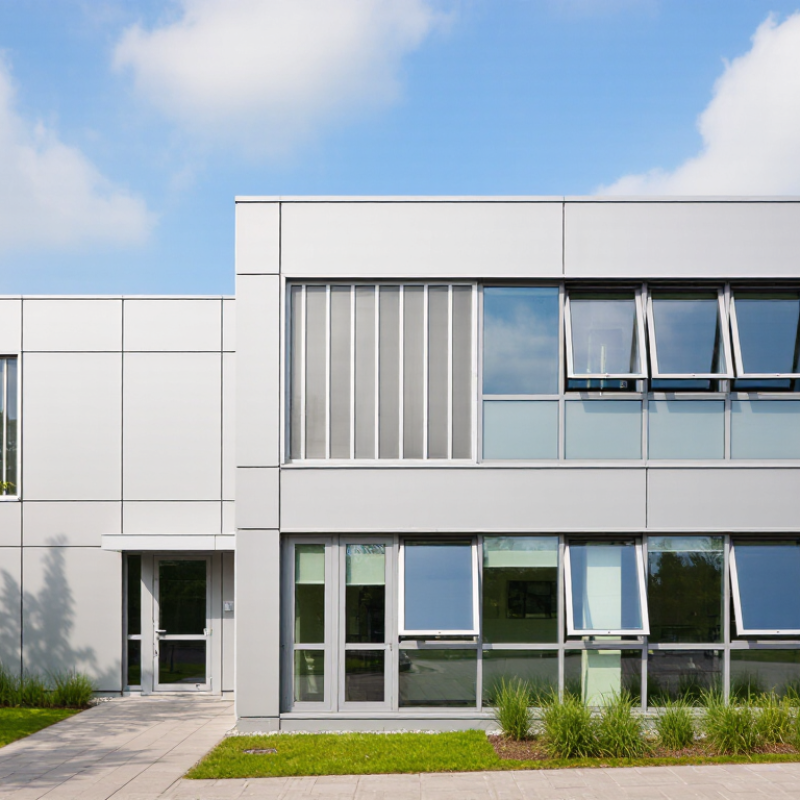
Why Choose Aluminium Sliding Windows for Your Project?

What Are Aluminium Sliding Windows?

Aluminium sliding windows are glazed window systems built with lightweight aluminium frames, glass panels, rollers, and horizontal tracks. Instead of opening outward, one sash moves behind or beside another. This design saves interior space, making it practical for bedrooms, kitchens, balconies, and compact commercial areas.

In a well-made system, the frame supports the glass while rollers carry the sash smoothly across the track. Aluminium resists warping, moisture, and everyday temperature changes, but the material is not automatically energy efficient. Thermal breaks, suitable glazing, weather seals, and correctly designed drainage are essential for comfort. Without them, a window may feel cold near the frame or allow water during heavy rain.

From project experience, accurate measurements matter more than attractive drawings. A slightly uneven opening can make sliding difficult and increase roller wear. Installation should include a level track, secure fixings, clean drainage paths, and careful adjustment after glazing. Maintenance is usually simple: remove dust from the track, inspect seals, and avoid forcing a stiff sash.

Small details matter. A lot.

These windows provide wide views and useful ventilation, yet they may offer less airtightness than some hinged designs. Acoustic performance also depends heavily on the glass and seals, not aluminium alone. That limitation is easy to overlook. Comparing performance values, local weather conditions, opening size, and daily use helps create a more reliable specification for each project.

How Aluminium Sliding Windows Work

Aluminium sliding windows work through a simple guided movement: sashes travel horizontally along fixed tracks. Each sash carries rollers beneath the frame, supporting its weight and reducing friction. When you turn the handle, locking points pull the sash tightly against weather seals. This creates an opening without requiring the interior clearance of a hinged window. It is useful beside furniture, kitchen counters, or narrow balconies.

During installation, the frame must sit square and level. Small errors can make a panel drag or close unevenly. Installers check the opening, pack the frame carefully, and test movement before final fixing. Drainage channels guide rainwater toward weep holes, while seals limit wind and water entry. Thermal-break profiles can reduce heat transfer between outdoor and indoor surfaces. Glass choice matters too. Double glazing may improve insulation, comfort, and outside-noise control, depending on the specification.

In daily use, lift dirt from the tracks and keep drainage paths clear. Do not force a stiff sash. The rollers may need adjustment. Aluminium is durable, but no window is maintenance-free. Coastal air, poor drainage, or neglected seals can shorten service life. It is easy to overlook these details. A careful inspection can reveal worn seals, blocked outlets, or uneven movement before they become expensive problems.

Why Choose Aluminium Sliding Windows for Your Project?

How Aluminium Sliding Windows Work: the panels move horizontally on rollers inside the frame, while the glazing system helps control heat transfer.

The chart shows representative center-of-glazing U-values in W/m²K. Lower values indicate better thermal insulation. In an aluminium sliding window, the selected glass, air or gas cavity, seals, and thermal break in the frame all influence the final whole-window performance. Actual results vary with system design, glass specification, frame size, and installation quality.

Key Benefits for Modern Building Projects

Why Choose Aluminium Sliding Windows for Your Project?

Key Benefits for Modern Building Projects

Modern buildings need daylight, ventilation, and efficient use of space. Aluminium sliding windows support these goals with clean profiles and wide glass areas. Their horizontal opening does not require swing space, making them useful beside furniture, walkways, or compact balconies. Space matters.

Aluminium frames are durable, lightweight, and generally easy to maintain. With suitable thermal breaks and insulated glazing, they can help reduce heat transfer and improve indoor comfort. However, the frame alone cannot guarantee energy efficiency. Glass specification, weather seals, drainage, and installation quality are equally important. A poorly fitted window may admit drafts or rain, even when the materials look premium. This is an easy detail to underestimate. For busy urban projects, robust finishes and reliable hardware can also support long-term performance.

Tips: Check the project’s climate, opening size, wind exposure, and local building requirements before selecting a system. Ask for tested air, water, and structural performance data. Confirm the expected U-value with the complete frame-and-glass combination, not the glass alone. Include a drainage inspection during installation. Small details matter. Also review cleaning access, especially on upper floors, because attractive glazing can become impractical when maintenance is ignored.

Important Design and Performance Considerations

Why Choose Aluminium Sliding Windows for Your Project?

Important Design and Performance Considerations

Aluminium sliding windows offer slim sightlines, strong frames, and generous glass areas. These features suit modern homes, offices, and renovations with limited opening space. However, appearance should not lead the design process. Thermal breaks can reduce heat transfer, while suitable glazing helps control indoor temperature, glare, and outside noise. In cooler climates, low-emissivity glass may improve comfort. In warmer regions, solar-control glass can reduce overheating near large windows.

Performance depends on more than the frame. Check the window’s air leakage, water resistance, wind-load rating, and drainage design. The track should move smoothly and remain accessible for cleaning. Good hardware matters. Poor rollers can make a large sash feel heavy within a few months. Installation is equally important; an accurate opening, continuous seals, and correct flashing help prevent drafts and water entry. Local building requirements should guide glass selection and safety details.

Tips: Measure furniture clearances before fixing the opening size. Request tested performance data, not only attractive product images. Consider how often the track will collect dust or sand. A dark finish may look refined, but it can show marks and absorb more heat. It is easy to underestimate maintenance. A small inspection gap can save future repair work. Also, review sample colors in real daylight, because screens often distort the final appearance.

How to Select the Right Aluminium Sliding Windows

Choosing aluminium sliding windows begins with the opening, not the catalogue image. Measure width, height, wall thickness, and sill condition at several points. Small differences can affect smooth operation. Consider the room’s direction too. Large west-facing glass may need solar-control glazing. For bedrooms, acoustic glass can reduce traffic noise. Thermal breaks are important in cooler climates, while ventilation needs careful planning. A beautiful frame cannot fix poor site measurements.

Check performance data before comparing prices. Ask for U-values, airtightness, water-resistance, wind-load results, and glass specifications. These figures should match local building requirements and the project’s exposure. Coastal sites need suitable finishes and corrosion-resistant hardware. Wet areas need reliable drainage paths. Test the handle and rollers in person, if possible. The movement should feel controlled, not loose or forced. I have seen low-cost systems become expensive after repeated adjustments. That lesson is easy to ignore.

Review installation details with the window supplier and contractor. Confirm frame anchoring, waterproofing, sill level, tolerances, and protection during construction. Ask how rollers, seals, locks, and glazing can be replaced later. Spare parts matter. Choose a configuration that suits daily use. Two panels may slide more easily than a heavy multi-panel design. Keep cleaning access in mind. My preference is practical, though not always the most elegant. Re-measure before ordering. That extra check can prevent an awkward gap, delayed installation, or costly remake.

FAQS

How do aluminium sliding windows operate?

Their sashes move horizontally along fixed tracks. Rollers beneath each sash support the weight and reduce friction. The handle activates locking points. These points press the sash against weather seals.

Where are aluminium sliding windows especially useful?

They need no inward or outward swing space. This suits furniture, kitchen counters, walkways, and narrow balconies. Space matters.

What must installers check during installation?

The frame must be square, level, and securely anchored. Installers should pack the frame carefully and test movement before final fixing. Small errors can make the sash drag.

Can aluminium sliding windows improve energy efficiency?

Thermal-break profiles can reduce heat transfer through the frame. Double glazing may improve insulation and indoor comfort. Glass quality, seals, drainage, and installation also matter. The frame alone is not enough.

How should I choose the correct window system?

Measure width, height, wall thickness, and sill condition at several points. Review wind exposure, climate, opening size, and room direction. A west-facing room may need solar-control glazing. A bedroom may benefit from acoustic glass.

Which performance details should I request?

Ask for U-values, airtightness, water resistance, and wind-load results. Check the complete frame-and-glass combination. Do not compare glass figures alone. Local requirements still matter.

How can I keep sliding windows working smoothly?

Remove dirt from the tracks and keep drainage paths clear. Do not force a stiff sash. Rollers may need adjustment. Inspect seals, locks, and weep holes regularly. It is easy to miss them.

What problems can poor maintenance create?

Blocked outlets may hold rainwater inside the frame. Worn seals can allow drafts or water entry. Coastal air may accelerate corrosion. I sometimes underestimate cleaning access, especially on upper floors. That mistake can become expensive.

Conclusion

An Aluminium Sliding Window is a practical architectural solution designed with aluminium frames and horizontally moving glass panels. By sliding along a track instead of swinging outward or inward, it offers smooth operation, efficient use of space, and wide openings for natural light and ventilation. Its clean appearance makes it suitable for residential, commercial, and contemporary building projects.

The main advantages include durability, low maintenance, corrosion resistance, and flexible design options in various sizes, finishes, glazing types, and configurations. However, effective performance depends on careful consideration of thermal insulation, weather sealing, drainage, security, glass safety, and track quality. When selecting the right system, project owners should evaluate the building’s location, climate, opening dimensions, energy goals, frequency of use, and installation requirements. Choosing suitable materials and professional installation can help ensure long-term comfort, reliable operation, and a balanced combination of appearance, performance, and value.

Evelyn

Evelyn

Evelyn is a highly experienced marketing professional dedicated to helping customers better understand innovative products, practical solutions, and evolving industry trends. With a strong knowledge of the company’s product portfolio, she combines professional insight with clear, engaging......