For global buyers, comparing Aluminium Windows Prices is rarely as simple as reading a supplier’s online list. A narrow, single-glazed window may look affordable at first. Yet a thermally broken frame, low-E double glazing, insect screens, and marine-grade powder coating can change the final figure quickly. Dimensions matter too. A 1,200-by-1,500-millimetre opening uses different materials than a custom corner unit. Small details become expensive.
Costs hide.
This guide examines the main factors shaping aluminium window quotations across international markets. These include alloy grade, profile thickness, glass specification, hardware quality, fabrication methods, packaging, insurance, and delivery terms. Regional labor rates, exchange rates, import duties, and installation conditions can also influence the landed cost. Experienced buyers should request itemized quotations, technical drawings, test reports, and warranty terms before comparing suppliers. A low factory price may exclude handles, drainage components, protective film, or reinforced packaging. That omission can create unpleasant surprises at the port or construction site. Site exposure deserves attention. Coastal buildings may require stronger corrosion resistance, while cold regions often need improved thermal performance. Local building requirements should be checked by qualified professionals, not guessed from a product brochure. Prices change with volume and season. Even a carefully prepared estimate may become outdated after several months. That is an important limitation. Reliable purchasing therefore depends on transparent specifications, verified supplier experience, and a realistic comparison of total delivered cost. This discussion aims to make those decisions clearer, while recognizing that no universal price can fit every project.
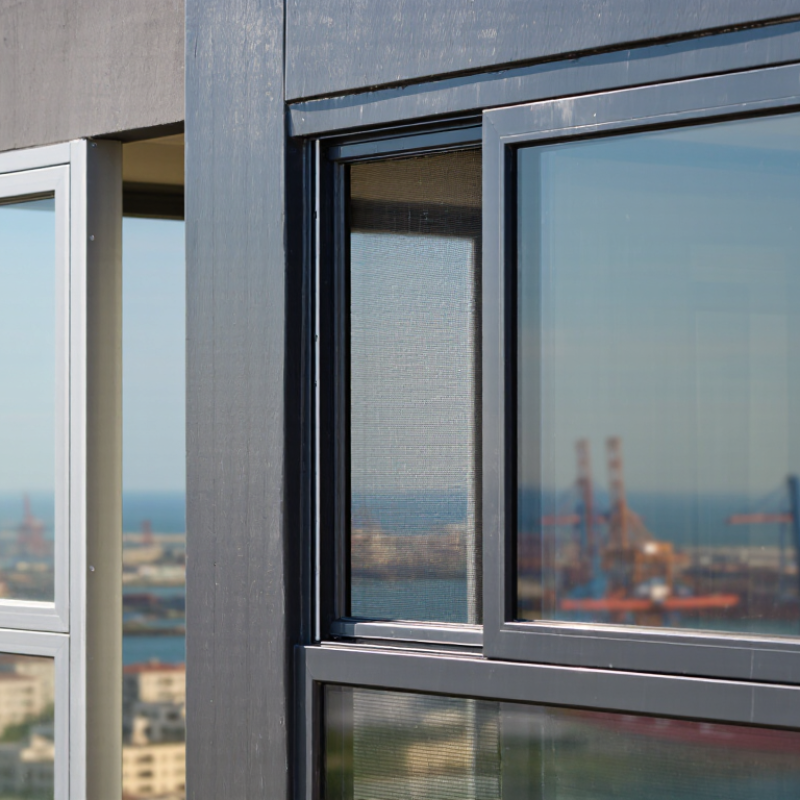
Aluminium Window Types and Their Global Price Ranges
Aluminium window prices vary by opening style, glazing, finish, and order volume. As an indicative global guide, fixed windows often cost US$100–250 per square metre; sliding units, US$150–400; and casement windows, US$180–500. Thermally broken systems may reach US$250–700 per square metre. These are product-level estimates, not landed prices: freight, installation, taxes, hardware, and custom sizing can change the final quote considerably. A narrow sliding frame may look economical, but large panels need suitable glass and hardware.
Material costs also move. The World Bank’s Commodity Markets “Pink Sheet” reported an average aluminium price of about US$2,419 per tonne in 2024. That figure tracks primary aluminium, not finished window frames, so it cannot predict a window quote by itself. Ask suppliers to state frame depth, glass specification, finish, and whether prices include installation. Small omissions matter. Price comparisons can still be imperfect when specifications differ.
Tips: Compare quotations using the same window dimensions and glazing, then check packing and delivery terms. For coastal sites, request a finish suited to salt exposure. Don’t assume the cheapest option will remain cheapest after freight is added.
FAQS
A 1.2 × 1.5 metre double-glazed window may cost US$450–1,100 in North America. Western Europe often ranges from €400–950. Southeast Asia may range from US$180–550. Gulf projects can reach US$300–800. These figures are guides, not promises.
Labour, freight, duties, glass supply, and installation access affect the final cost. Imported thermal systems may increase Gulf prices. Local fabrication can sometimes matter more than raw aluminium prices. Exchange rates can change quotations quickly. The gap is easy to underestimate.
Compare frame depth, aluminium thickness, glass type, opening style, and finish. Check hardware, drainage, seals, and corner joints. A sliding window may cost less than a thermally broken tilt-and-turn design. Matching specifications is essential. Cheap comparisons can mislead.
Premium finishes, larger openings, and low-emissivity glass may raise costs by 20–45%. Thermal breaks can also increase the frame price. Laminated glass may improve safety and noise control. The visual upgrade is not always the practical upgrade.
Not always. A low quotation may exclude sealing materials, site adjustments, or installation work. Thin frames may bend during transport or daily use. Higher cooling costs can also reduce long-term savings. I would review the complete project cost, not just the unit price.
Double glazing can reduce heat transfer through the window. Low-emissivity glass may improve thermal performance further. Hot climates need careful attention to solar heat and cooling demand. A cheaper frame may create higher energy costs later. That trade-off deserves more attention.
Ask for separate prices for frames, glass, hardware, packaging, delivery, duties, and installation. Request warranty terms and performance reports. Confirm lead times, tolerances, drainage design, and site requirements. One missing item can change the budget. Read the exclusions carefully.
Measure each opening twice, especially when walls are uneven. Check sealing details before production begins. Ask whether replacement hardware is available locally. Confirm cleaning and maintenance guidance. Appearance alone is not enough.
Conclusion
Aluminium Windows Prices vary widely according to window type, frame design, opening style, glass specification, dimensions, finish, and customization requirements. Common options include sliding, casement, awning, folding, and fixed windows, with each type offering different cost and performance advantages. Regional differences in labor, transportation, taxes, energy standards, and installation practices can also significantly affect final prices for global buyers.
To evaluate supplier offers effectively, buyers should compare more than the initial quotation. Important considerations include material thickness, thermal insulation, weather resistance, hardware quality, glass performance, warranty terms, production accuracy, packaging, and after-sales support. A cost-effective choice balances purchase price with durability, energy efficiency, maintenance needs, and expected service life. Requesting detailed specifications, confirming quality standards, and comparing complete delivered costs can help international buyers select reliable aluminium windows that meet both project requirements and budget expectations.